Conservation Awareness & Action
The Ocean's Lifeline: Why Coral Reefs Matter More than you think
Friday, February 7, 2025 at 10:00 AM
→ Feb 7, 11:30 AM
· Online Webinar
About this event
On the 7th of February, we gathered for an engaging online webinar focused on one of the most vital yet often overlooked ecosystems on the planet—coral reefs. The session created a space for curiosity, shared learning, and meaningful dialogue on how these underwater structures sustain life far beyond what meets the eye.
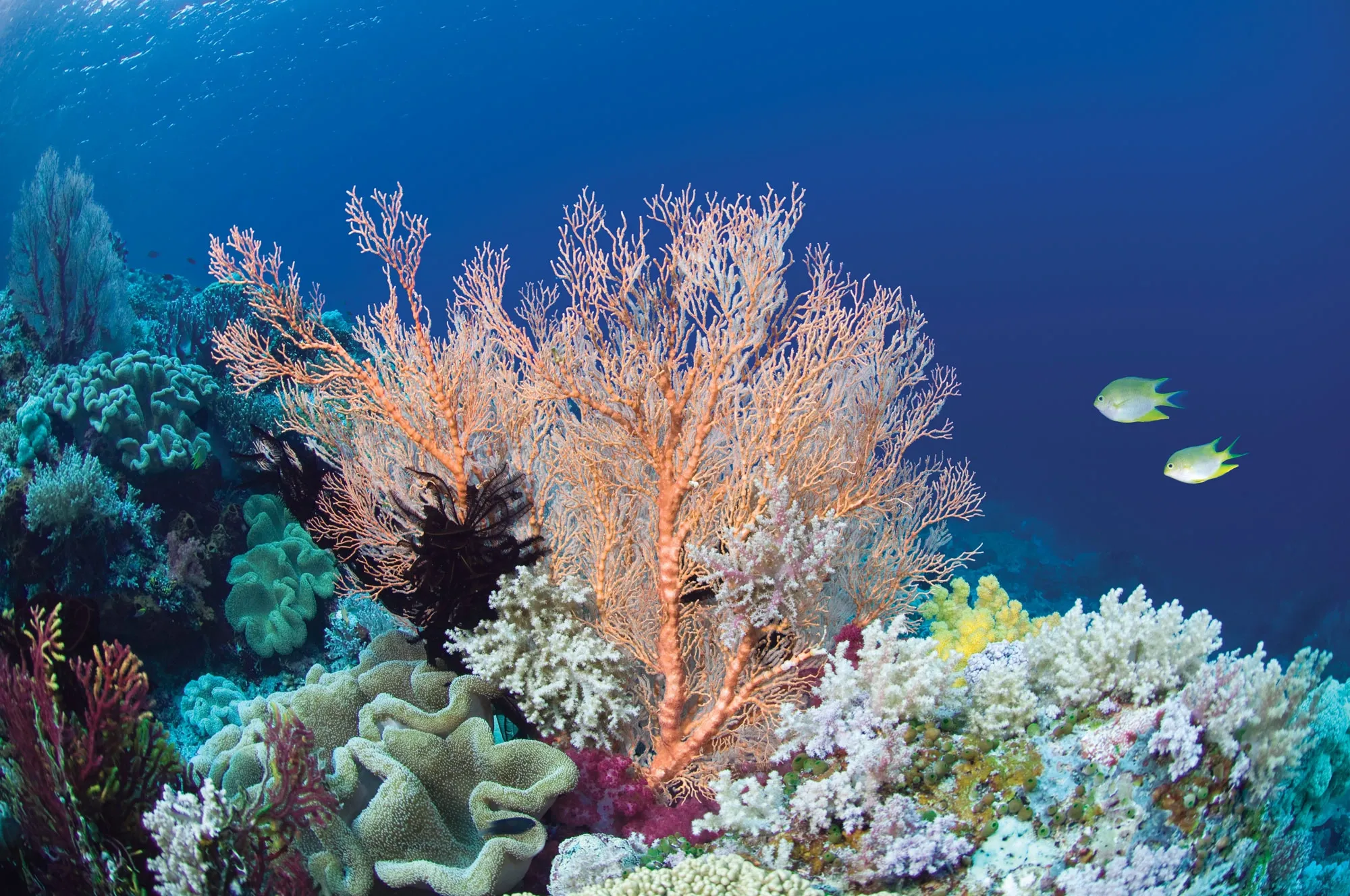
Often referred to as the “rainforests of the sea,” Coral Reefs are home to an extraordinary diversity of marine species. During the webinar, participants explored the intricate relationships between coral reefs and marine life, gaining a deeper understanding of how these ecosystems support biodiversity, protect coastlines, and contribute to the overall health of the ocean.
What made the session particularly impactful was its interactive nature. Rather than being a one-sided presentation, it encouraged participants to share their perspectives, ask questions, and reflect on their own understanding of marine ecosystems. This exchange of ideas highlighted the importance of collective learning and demonstrated how diverse viewpoints can deepen awareness of environmental issues.
Discussions also touched on the vulnerability of coral reefs in the face of climate change, pollution, and human activity. This prompted participants to think critically about conservation efforts and the role individuals—especially young people—can play in protecting these fragile ecosystems.
By the end of the webinar, attendees walked away with more than just knowledge. They gained a renewed sense of responsibility and a clearer appreciation of how interconnected life beneath the ocean truly is. The session served as a reminder that even from behind a screen, impactful conversations can inspire real-world change.
For those who have yet to engage in such discussions, this event demonstrated that learning about conservation doesn’t always require being in the field. Sometimes, it begins with a conversation that opens your eyes to the unseen wonders of the natural world.
Often referred to as the “rainforests of the sea,” Coral Reefs are home to an extraordinary diversity of marine species. During the webinar, participants explored the intricate relationships between coral reefs and marine life, gaining a deeper understanding of how these ecosystems support biodiversity, protect coastlines, and contribute to the overall health of the ocean.
What made the session particularly impactful was its interactive nature. Rather than being a one-sided presentation, it encouraged participants to share their perspectives, ask questions, and reflect on their own understanding of marine ecosystems. This exchange of ideas highlighted the importance of collective learning and demonstrated how diverse viewpoints can deepen awareness of environmental issues.
Discussions also touched on the vulnerability of coral reefs in the face of climate change, pollution, and human activity. This prompted participants to think critically about conservation efforts and the role individuals—especially young people—can play in protecting these fragile ecosystems.
By the end of the webinar, attendees walked away with more than just knowledge. They gained a renewed sense of responsibility and a clearer appreciation of how interconnected life beneath the ocean truly is. The session served as a reminder that even from behind a screen, impactful conversations can inspire real-world change.
For those who have yet to engage in such discussions, this event demonstrated that learning about conservation doesn’t always require being in the field. Sometimes, it begins with a conversation that opens your eyes to the unseen wonders of the natural world.