April 3
Past
Wildlife & Environment
Awareness Days Calendar
Celebrating animal & environmental holidays throughout the year.
Full Calendar
April 4
Past
World Stray Animals Day
April 4
Past
World Civet Day
April 7
Past
International Beaver Day
April 17
Past
Bat Appreciation Day
April 22
Past
World Earth Day
April 23
Past
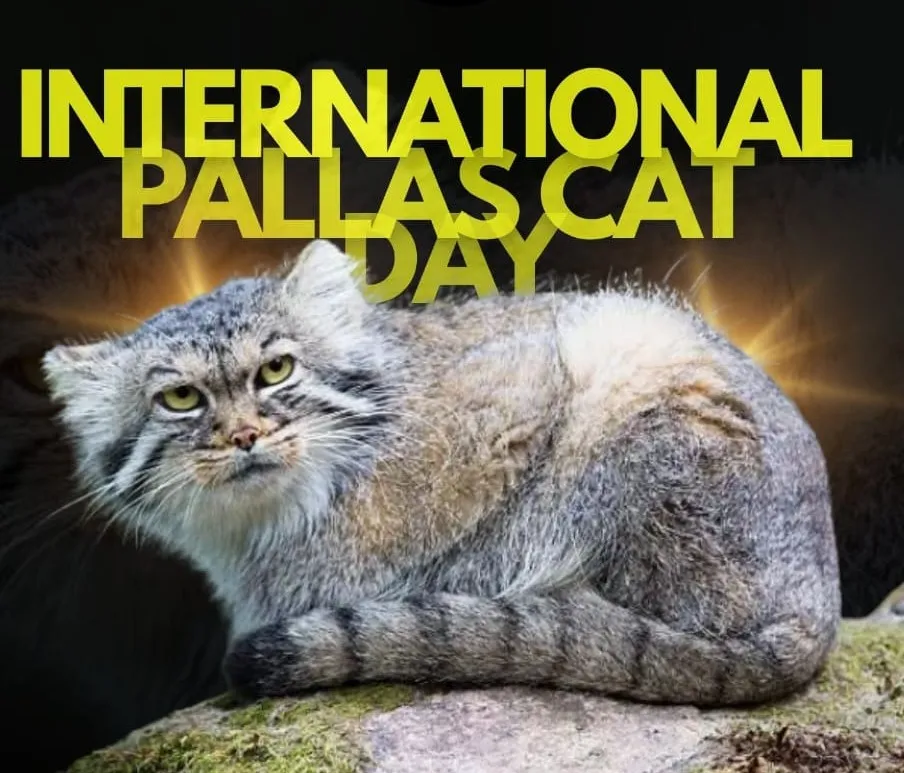
International Pallas Cat Day
Today we are celebrating Pallas Cats. Fun fact: Unlike domestic cats, Pallas Cats don't meow. When they need to communicate, they'll honk, growl and chirp at each other. When they are excited or scared, they make a sound like a yelp of small dog than any typical cat sound.
April 25
Past
World Penguin Day
April 27
Past
International Hyena Day
May 2
Past
World Tuna Day
May 3
Past
International Leopard Day
May 3
Past
Wild Koala Day
May 8
Past
World Donkey Day
May 15
Past
Endangered Species Day - third Friday of May
May 20
Past
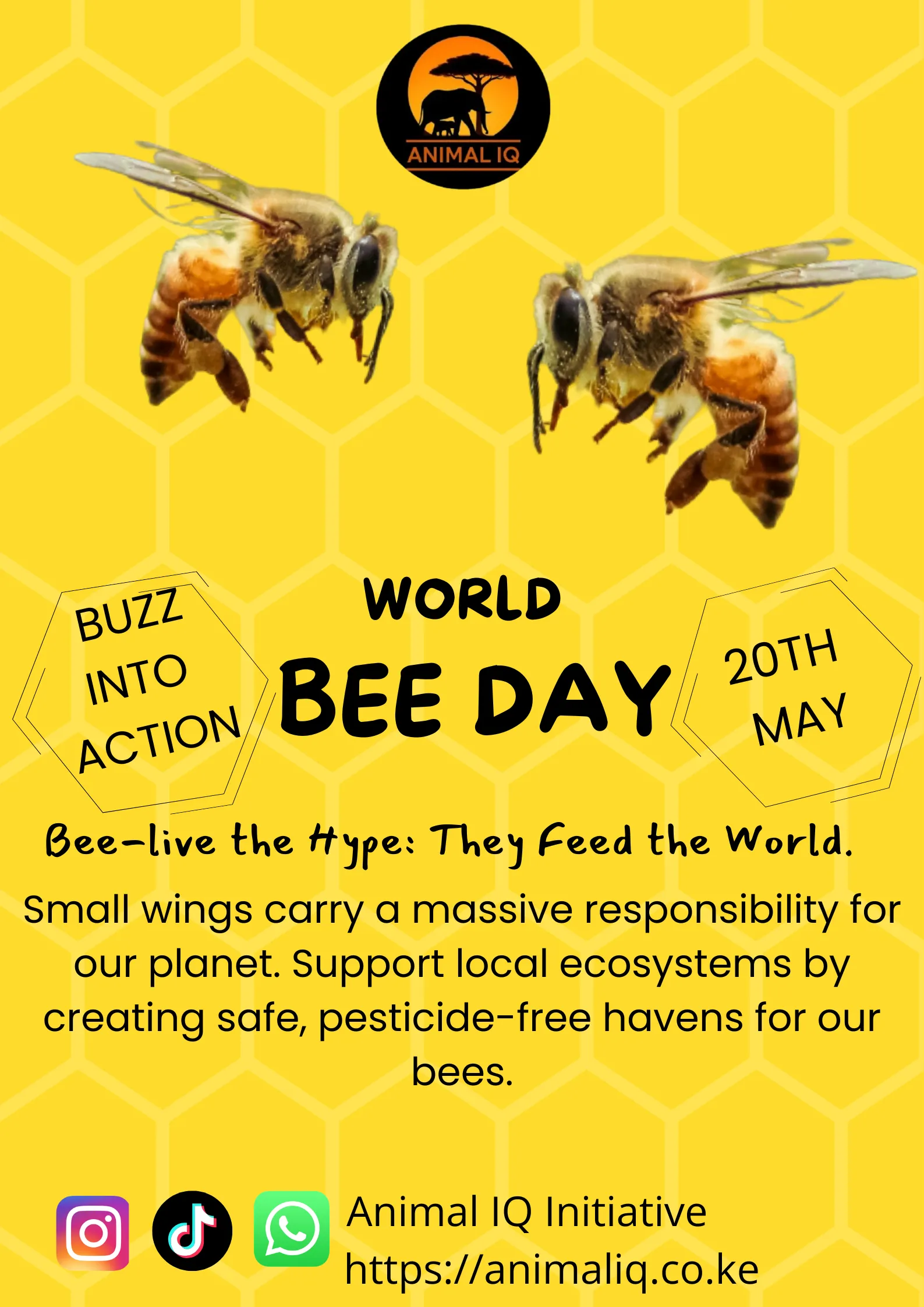
World Bee Day
Today, we are celebrating some of the hardest-working heroes on the planet for World Bee Day! While they might seem small, bees carry a massive responsibility on their tiny shoulders—sustaining our ecosystems, driving biodiversity, and safeguarding global food security. In fact, one out of every three spoonfuls of food we enjoy depends entirely on pollinators. Protecting these incredible creatures isn't just about preserving honey; it’s about securing a healthier, greener, and more resilient environment for all wildlife and communities. Creating a buzz for conservation doesn't require a backyard hive. We can all make a tangible difference right where we are by planting native, nectar-rich flowers, eliminating harmful pesticides, and advocating for healthy local habitats. When we look out for the bees, we are looking out for the future of our entire planet. This World Bee Day, let’s commit to keeping our ecosystems thriving, vibrant, and beautifully connected.
May 22
Past
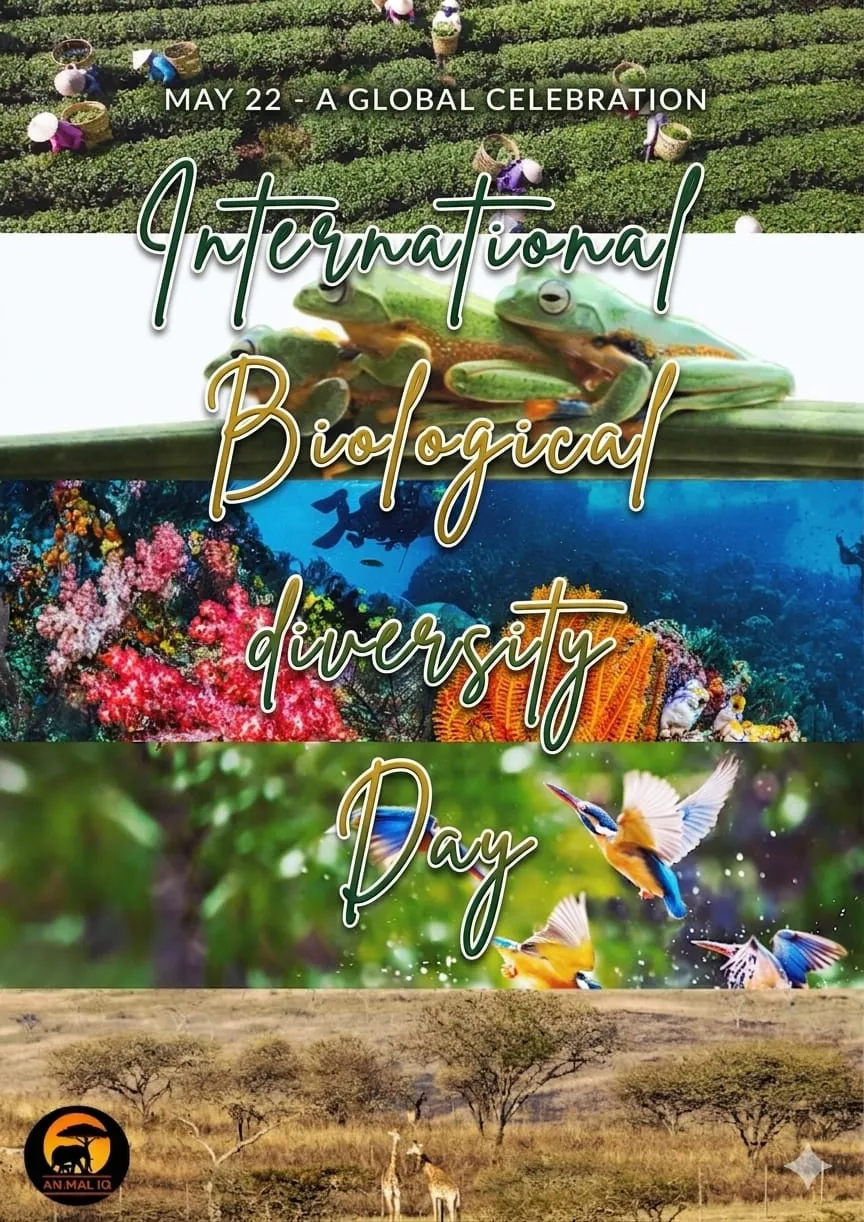
International Day for Biological Diversity
From the smallest insect to the largest mammal, every living organism forms a vital strand in the complex web of life that sustains our planet. This International Day for Biological Diversity, we recognize that halting ecosystem loss requires immediate, grass-roots action right in our own neighborhoods.
May 23
Past
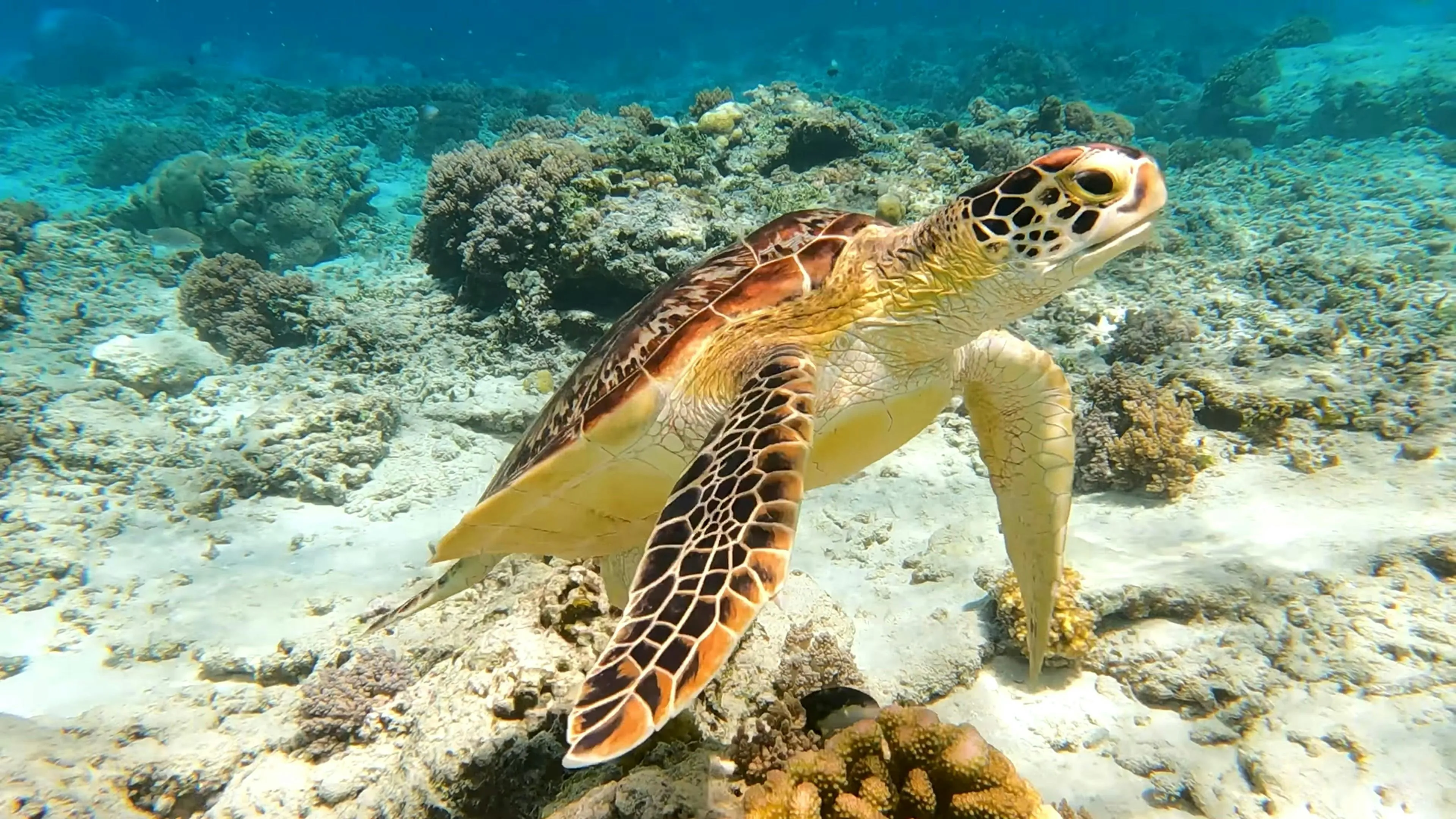
World Turtle Day
Turtles and tortoises are among the planet’s ultimate survivors, having roamed the Earth for over 220 million years and outlasting the dinosaurs. As vital ecosystem engineers, they play an irreplaceable role in maintaining the health of our lands and waterways—whether by grazing on seagrasses, keeping riverbeds clean, or dispersing seeds across terrestrial habitats. Yet today, more than half of all turtle species face the quiet threat of extinction. Their greatest modern challenges are entirely human-made, driven by rapid habitat loss, vehicle strikes near wetlands, and the devastating impact of macro-plastic pollution in our ecosystems. Protecting these ancient guardians requires immediate, everyday action right in our own communities. By consciously reducing plastic waste, driving mindfully near wetland areas, and keeping a watchful eye out for nesting sites, we can transform our local environments into safe havens where wildlife can safely coexist alongside us. They have survived shifting continents and ice ages; by cleaning up our habits and protecting their habitats today, we can ensure they survive the modern world, too.
May 25
Past
World Otter Day
May 31
Past
World Parrot Day
June 5
Past
world environment day
June 8
Past
World Oceans Day
June 11
Past
International Lynx Day
June 16
Past
World Sea Turtle Day
June 17
Past
World Croc Day
June 21
Past
World Giraffe Day
June 22
Past
World Camel Day
July 14
Past
Shark Awareness Day
Shark Awareness Day is observed to raise public awareness about the importance of sharks in maintaining healthy marine ecosystems. The day aims to dispel common myths, educate people about the ecological role of sharks as apex predators, and highlight the threats they face, including overfishing, finning, habitat loss, and climate change. It also encourages conservation efforts to protect shark populations and promote sustainable ocean management.
July 14
Past
World Orca Day
World Orca Day highlights the beauty and intelligence of orcas (killer whales) and promotes the protection of their marine habitats. It raises awareness about threats such as pollution, declining prey, noise disturbance, and captivity.
July 14
Past
World Chimpanzee Day
World Chimpanzee Day Commemorates the day Jane Goodall began her groundbreaking chimpanzee research in 1960. It promotes chimpanzee conservation, welfare, and the protection of their forest habitats from deforestation, poaching, and illegal wildlife trade.
July 16
Past
World Snake Day
World Snake Day Celebrates the ecological importance of snakes while raising awareness about their conservation. The day also helps dispel myths and encourages people to understand and respect snakes rather than fear them.
July 29
Past
International Tiger Day
International Tiger Day: Also known as Global Tiger Day, it aims to raise awareness about the conservation of wild tigers and their habitats. The day encourages global efforts to combat poaching, habitat loss, and human-wildlife conflict to ensure tiger populations continue to recover.
August 12
Past
World elephant day
Purpose: To raise global awareness about the urgent threats facing African and Asian elephants, including habitat loss, human-wildlife conflict, and poaching for ivory. Key Focus: Promoting stronger protection for wild populations, improving management in captivity, and supporting community-led conservation efforts.
August 12
Past
World hirola day
What is a Hirola? Also known as Hunter's hartebeest or the "four-eyed antelope" (due to prominent dark preorbital glands below its eyes), the hirola (Beatragus hunteri) is the world's most endangered antelope. Endangerment: Endemic to the arid grassland border region of eastern Kenya and southwestern Somalia, only 300–500 individuals remain in the wild. There are zero in captivity. Ecological Significance: The hirola is the sole surviving member of its genus (Beatragus). If it goes extinct, it will mark the first loss of an entire mammalian genus in Africa in modern human history.