Wings over Sado: The Ibis and the Farmers Who Brought It Back
By Johnson Owino · August 18, 2026
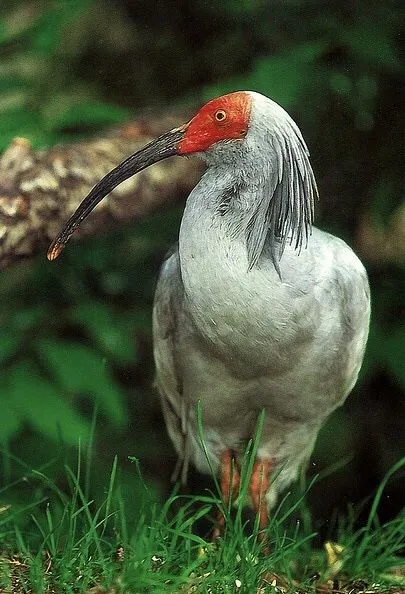
(Crested Ibis (Nipponia nippon) via Wikimedia Commons / Used under CC BY-SA 3.0)
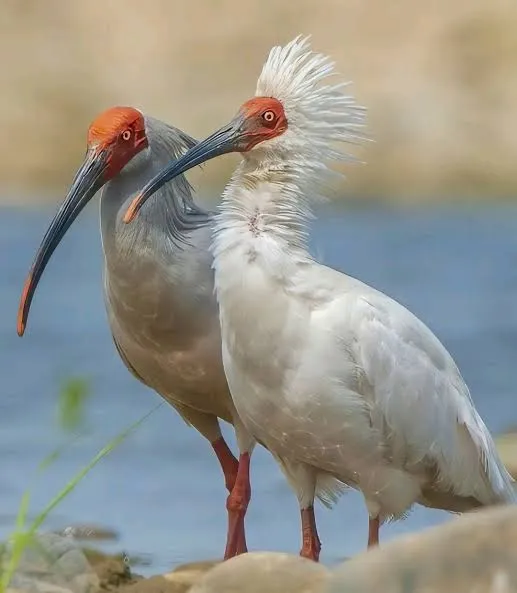
Known as toki in Japanese, it was a symbol of the country's
rich natural heritage, its pale pink wings and bright red face
appearing in art and literature. Its scientific name, Nipponia nippon, even
echoes the Japanese name for Japan itself. But by the early 2000s, it was
gone. The last wild Japanese crested ibis(kin) died on Sado Island in 2003. The bird
had vanished from the country entirely.
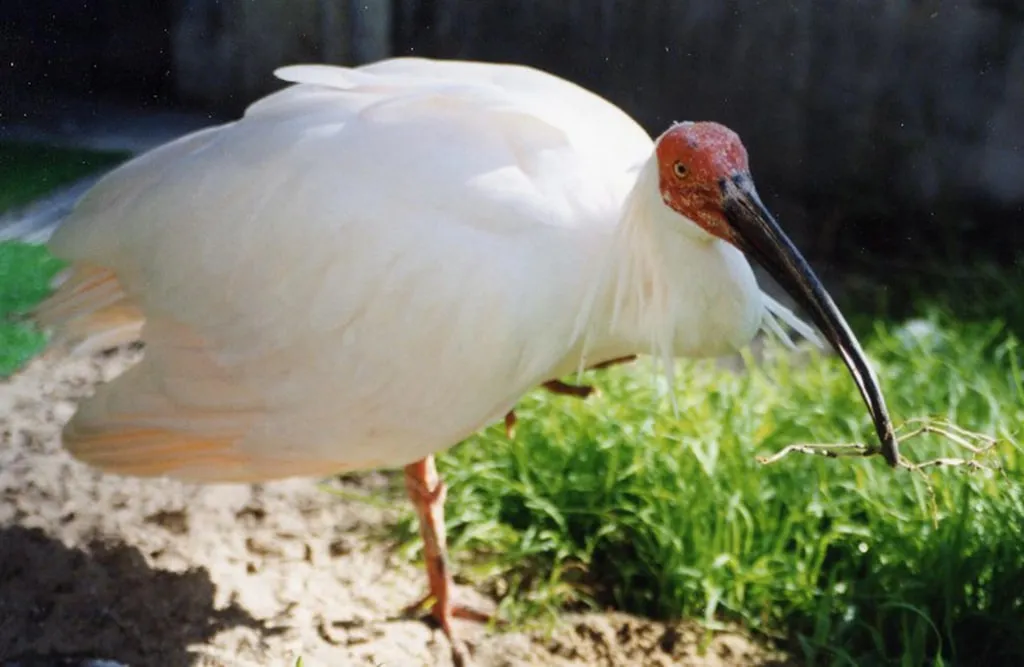
(Kin within her enclosure at the Sado Toki Conservation center:NIPPONIA)
The crested ibis once inhabited nearly all parts of Japan. But
over time, its numbers plunged. Overhunting for its feathers took a heavy toll
,habitat loss and a decline in food sources like loaches, caused by the
widespread use of chemical fertilisers and pesticides, made survival
increasingly difficult. On Honshu, Japan's main island, the last wild crested
ibis was captured in 1970. The species was on the edge of extinction.
Hope arrived from across the sea. In January 1999, China
donated a breeding pair of crested ibises to Japan — a male named Youyou and a
female named Yangyang. They arrived on Sado Island as a symbol of friendship
between the two nations.
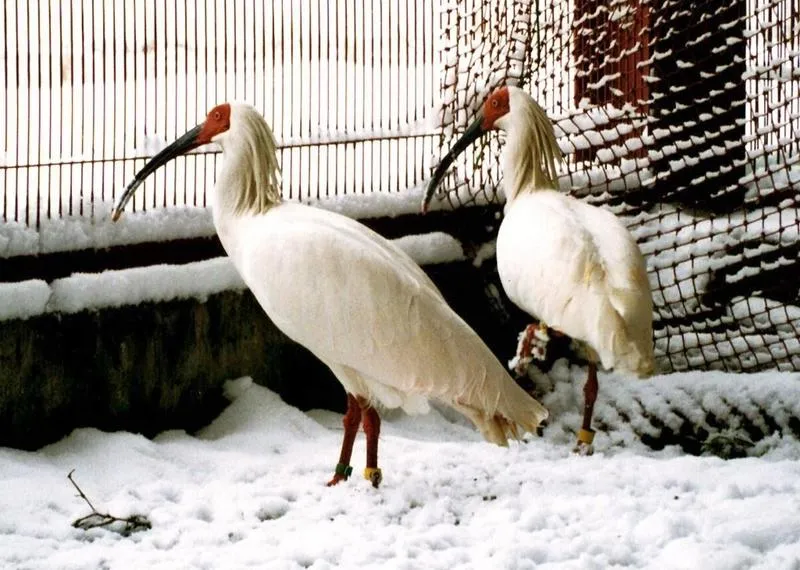 (Youyou and Yangyang on Sado Island:China Daily.)
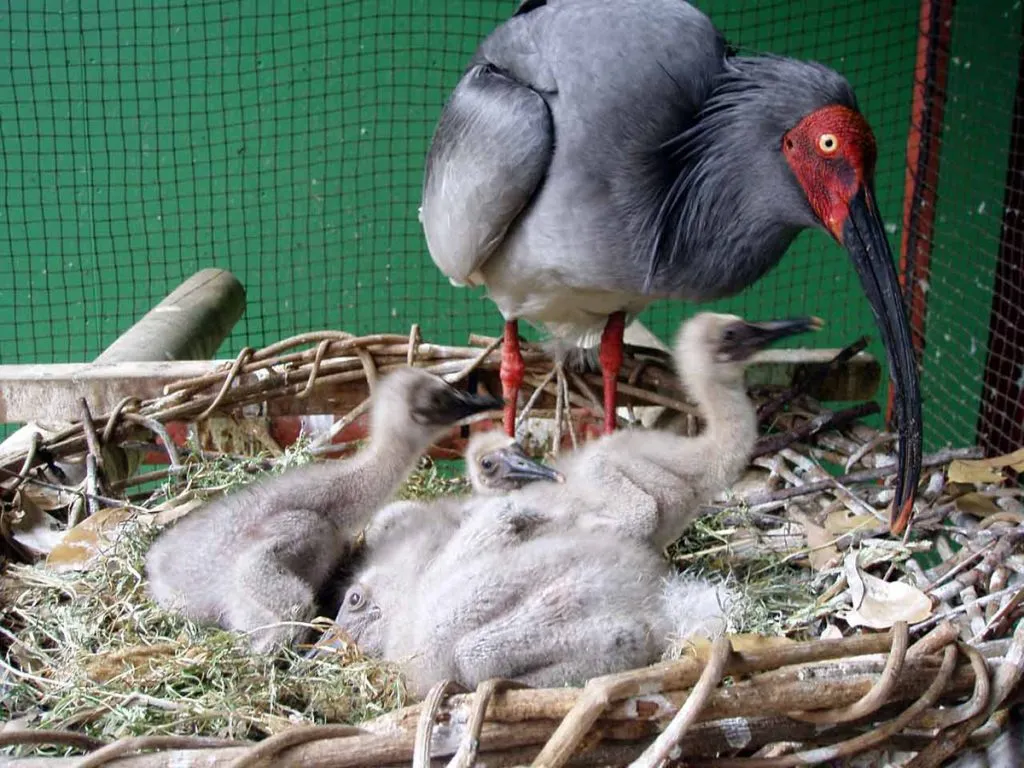
On 21 May 1999, the pair's first egg hatched
in Japan, marking the first captive-bred crested ibis chick born
in the country. The chick, named Yu yu, would go on to parent 68 fledglings,
playing a pivotal role in Japan's recovery programme.
The programme grew. In 2008, ten birds raised at the Sado
Japanese Crested Ibis Conservation Center were released into the wild for the
first time in 27 years. The first step in reintroducing them had succeeded.
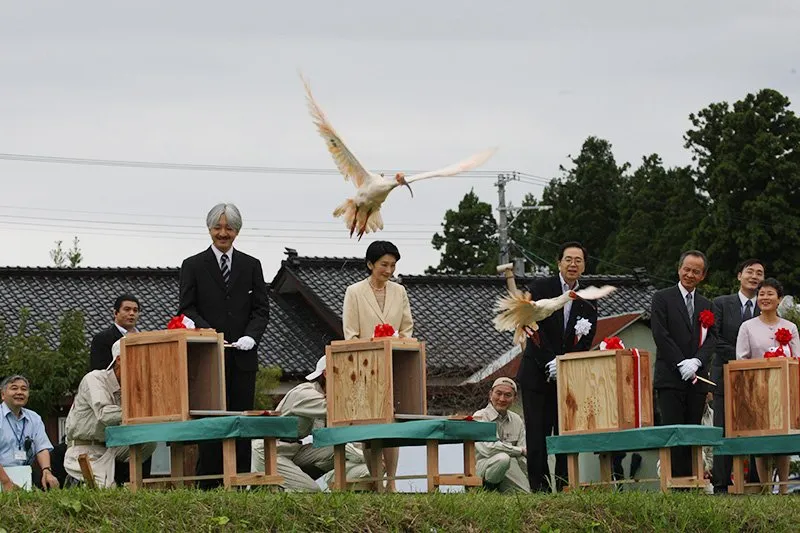
(Captive bred Japanese crested ibises flying from release
crates during a reintroduction ceremony:Associated Press –Official coverage of
the Sado Crested Ibis Release Ceremony)
But breeding alone was not enough. The ibis did not return
simply because people protected one species; it returned because an entire
community restored a landscape where life could come back.
Farmers and local communities improved rice-field
habitats by reducing pesticides and chemical fertilisers by at least 50%,
and mowing paddy ridges instead of using herbicides. This created
environments where ibises could forage in a more natural way, feeding on
loaches, frogs, and insects that thrive in healthy wetlands.
In
2008, Sado City introduced the "Toki-to-Kurasu-Sato"
(Villages Coexisting with the Crested Ibis) rice certification programme.
Its twin purpose was securing feeding grounds for the ibis and promoting
environmentally friendly agriculture. Certified rice is purchased at higher
prices than ordinary rice, with part of the proceeds funding conservation. The
programme has also helped restore Sado's rice brand after a devastating typhoon
in 2004 wiped out that year's entire crop. Behind it were collaborative efforts
by farmers, the agricultural cooperative, and the government.
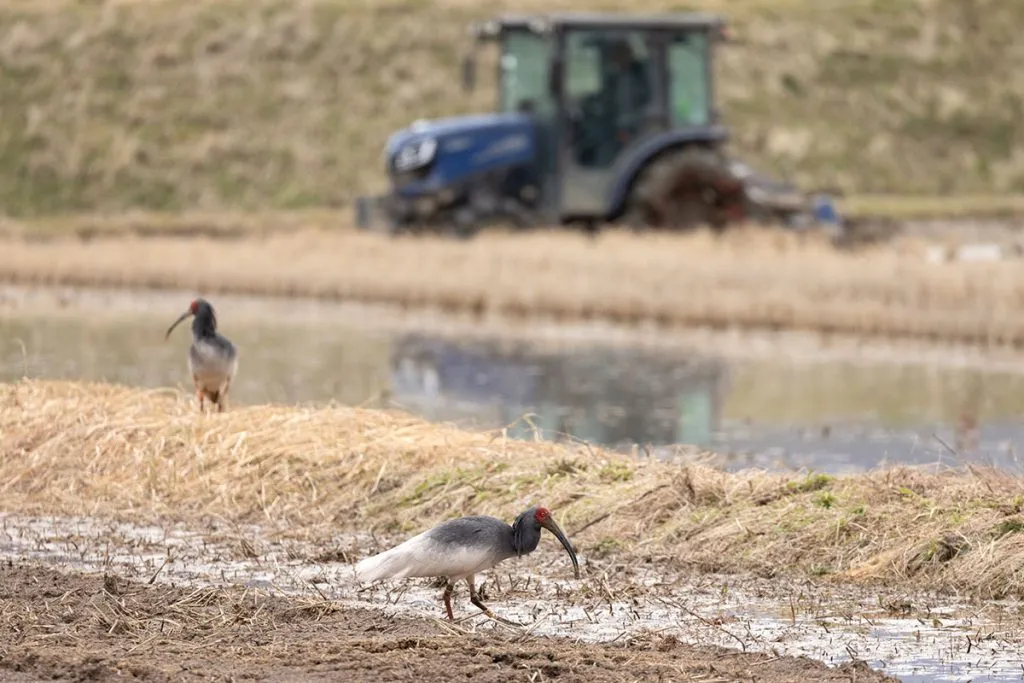
(Two Crested Ibises (Nipponia nippon) forage for
food while a farmer operates a tractor nearby, highlighting the close
coexistence between local agricultural practices and endangered bird
conservation:Wikimedia Commons. )
By the end of 2025, the wild crested ibis population on Sado
Island had grown to an estimated 473 birds. Today, more than 500 ibises live in
the wild on Sado, and about 80% were born in the wild — a sign that local
conservation efforts have taken root.
But with success came a new challenge: the
island was becoming too small to support a growing population. To reduce the
risk of infectious diseases and to expand the species' range, the decision was
made to begin releases on Honshu.
For the people of Noto, the release held special meaning.
The region had been devastated by a massive earthquake in 2024. Noto was also
the last habitat for the Japanese crested ibis on Honshu. The return of the
ibis was seen as a symbol of recovery and a source of hope.Some farmers had
been preparing for this moment for years, adjusting their farming practices to
welcome the bird back.
Japan aims to raise the number of mature individuals to over
1,000. Future releases are planned in other regions, including Izumo in Shimane
Prefecture.
The crested ibis is easily alarmed and needs a quiet
environment, especially during the breeding season. Some local governments
have withdrawn their applications to receive releases due to concerns that the
birds would trample rice plants. But the government has emphasised the
importance of explaining the significance of the project to gain public
understanding.
The ibis is a symbol of coexistence between nature and human
livelihoods, a reminder that even species on the brink can be brought back. Its
return to the skies of Noto is a testament to the power of international
cooperation, community effort, and patient conservation.
If the ibis could speak, would it thank us — or ask why we
waited until it was almost gone? 🕊️
Comments (0)
Log in to join the discussion.
Log in