The White Butterflies Along Thika Road Are Not a Sign of the End Times 🦋
By Johnson Owino · June 4, 2026
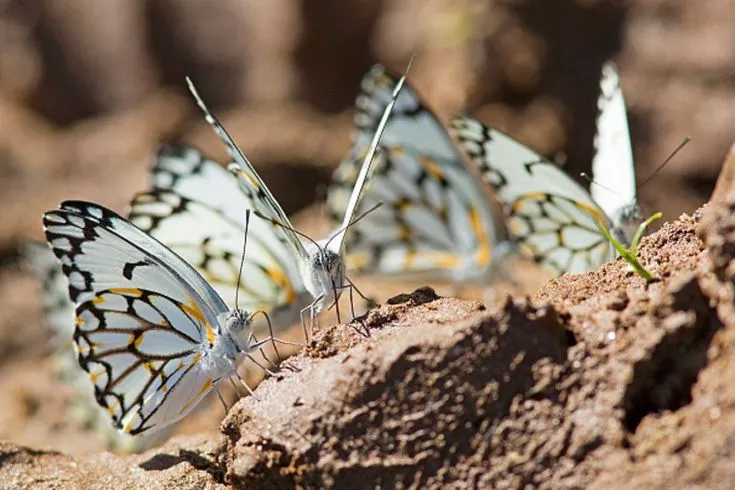
(Kenya,A close-up view of brown-veined white butterflies aggregating to draw nutrients from damp soil.)
Seen them yet? Along Thika Road, the air has been thick with white butterflies. I was heading through Membley when I saw them — white butterflies, hundreds of them, floating across the road. I've driven that route before, but I've never really paid attention. It felt like the world was showing off for a second, and I almost missed it.It's not every day that Nairobi turns into a butterfly highway.
What You're Actually Seeing 👀
Those white butterflies are called Caper Whites, or Belenois aurota. Every year,
between November and February, they migrate across Kenya. They follow the rains
and get pushed by the wind — they're very light, which is why they can appear
suddenly in huge numbers. This year's swarm looks big because we had good rain
followed by warm weather. Warmth speeds up their breeding, so more of them
emerge at the same time. That's it. Not an invasion. Not a sign of the
apocalypse. Just good breeding conditions.
Here's something cool: they don't always travel alone. Caper
Whites often migrate alongside other butterfly species, forming mixed swarms of
up to a dozen different kinds. So that white blur you saw might have had a few
hidden guests.
The Environmental Side (Because Everything Has One) 🌿
These butterflies are not pests. They don't eat your crops,
bite you, or carry diseases. In fact, they're helpful. As adults, they feed on
nectar and become pollinators - they help plants reproduce. They're also bird
food, which means they're part of a healthy food chain. Their presence tells
you the environment is doing okay. Good rain, healthy vegetation, enough food
for caterpillars. That's a win.
The caterpillars eat only caper bushes, which is where the
name comes from. The adult butterfly lives just two weeks, so the swarm you see
today will be gone soon. They'll lay eggs, die, and the next generation will
continue the cycle. That's nature being nature.
The Myth You Can Ignore ❌
Some people still whisper that these butterflies mean
drought is coming. That's not true. Experts have said it clearly:
the migration is a sign of good rain, not bad luck. The butterflies are just
following food, the same way birds move across the landscape. Nothing
mysterious. Nothing ominous.
If anything, the only change is climate - warmer
temperatures mean more breeding cycles, so larger swarms. That's biology, not
superstition.
The Mental Health Boost 💚(For Real)
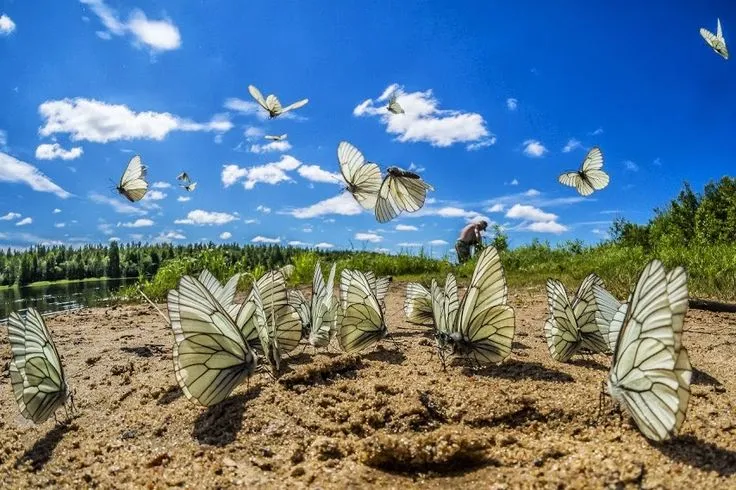
(Siberia, Russia, A large flock of black-veined white butterflies mud-puddling on a sandy riverbank)
Science backs this up. Watching nature , even a swarm of
insects — lowers cortisol (the stress hormone) and improves mood. It's a free,
natural reset button. And for men who rarely give themselves permission to
pause, this is a gift.
You don't need an app. You don't need a therapist (though
that's great too). You just need to pull over safely, roll down the window, and
watch.
June is Men's Mental Health Month. Men aren't great at
stopping.. So if you're stuck in traffic and the butterflies are everywhere,
don't swear at them. Just sit for a moment and watch them carry on. That's not being soft.
Will They Come Back?
Yes. Every year, around the same time, they return. This
generation will die in two weeks, but their offspring will pick up the journey.
Next year, when you see the first white flutter, you'll know what it is. You
might even smile — not because you have to, but because you've seen it before
and it's beautiful.
A Closing Thought Before You Go 🌅
You don’t have to feel anything profound. You don’t have to
tell anyone you read a blog about butterflies and mental health. But the next
time you’re stuck behind a slow driver who’s also watching the white flutter,
maybe give them a wave instead of a honk. They might be having a moment. You
could use one too.
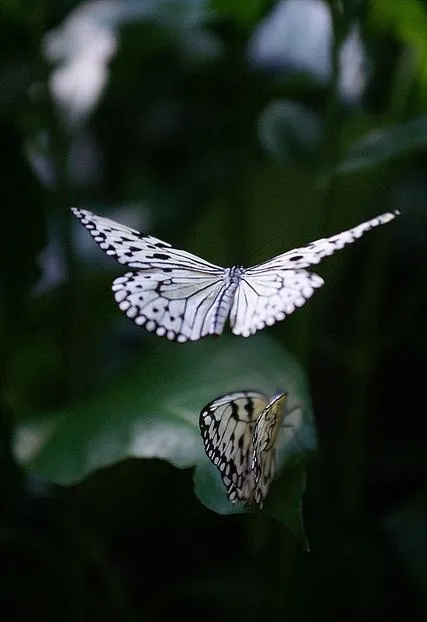
( Southeast Asia, One paper kite butterfly flying and another resting on a leaf against a dark green background.)
So roll down your window. Let a butterfly in.It might just make your day a little less ordinary.
Comments (1)
Log in to join the discussion.
Log in
I saw them at giraffe centre too. Some cinnamon chested bee-eaters were feasting on them. I've also seen them around my home and they are very graceful
You saw the whole drama, they're indeed graceful when not being hunted😅