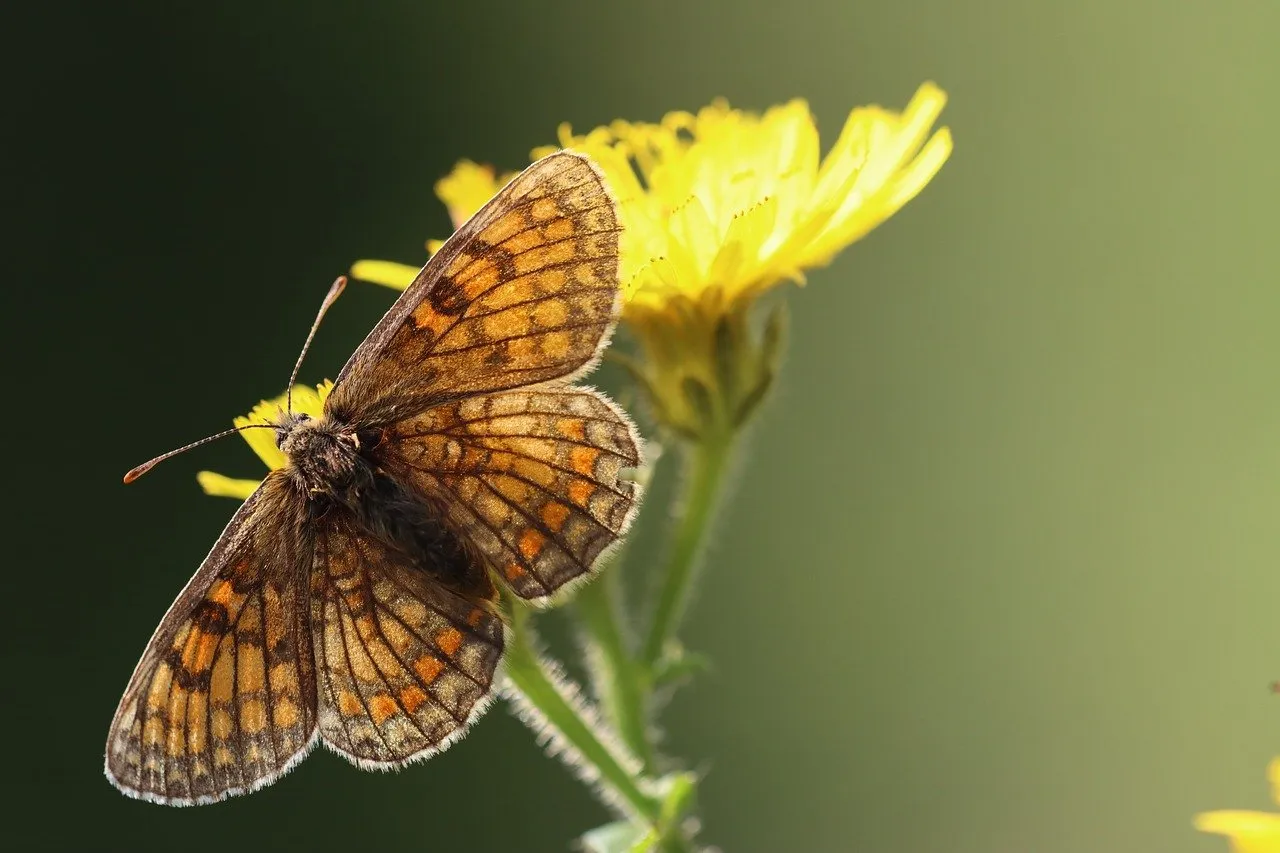
The Secret Life of Pollinators
By Olivia Chelang'a · April 23, 2026
The Animals Behind the Magic
What comes to your mind when you think of pollinators?
Bees and birds, right? Well, while that is true, there are still over 100,000 invertebrates—including butterflies, beetles, moths, wasps, and flies—and more than a thousand mammals, birds, reptiles and amphibians that take on the job of sustaining our ecosystems through pollination.
Pollinating animals travel from plant to plant carrying pollen on their bodies in a vital interaction which allows the transfer of genetic material, critical to the reproductive system of most flowering plants. This nearly invisible ecosystem service is a precious resource that requires attention and support.
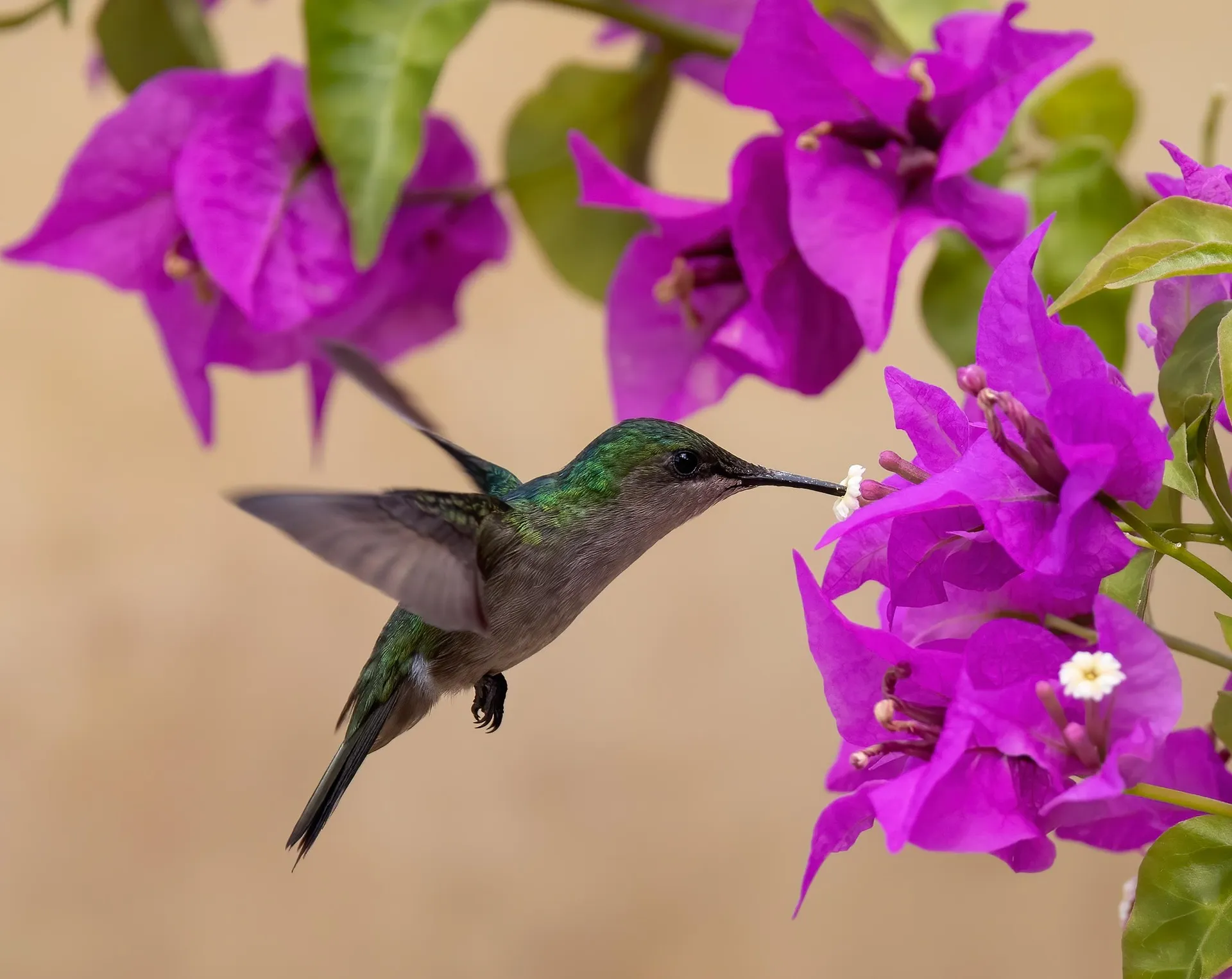
Some birds, like hummingbirds, feed on nectar and accidentally transfer pollen between flowers. What’s interesting is that they don’t “try” to pollinate—they are simply feeding, yet their behavior makes them highly effective pollinators. Their long beaks and fast metabolism mean they visit hundreds of flowers daily, making them high-frequency pollination agents.
Bees with Brains: Intelligence in Tiny Bodies
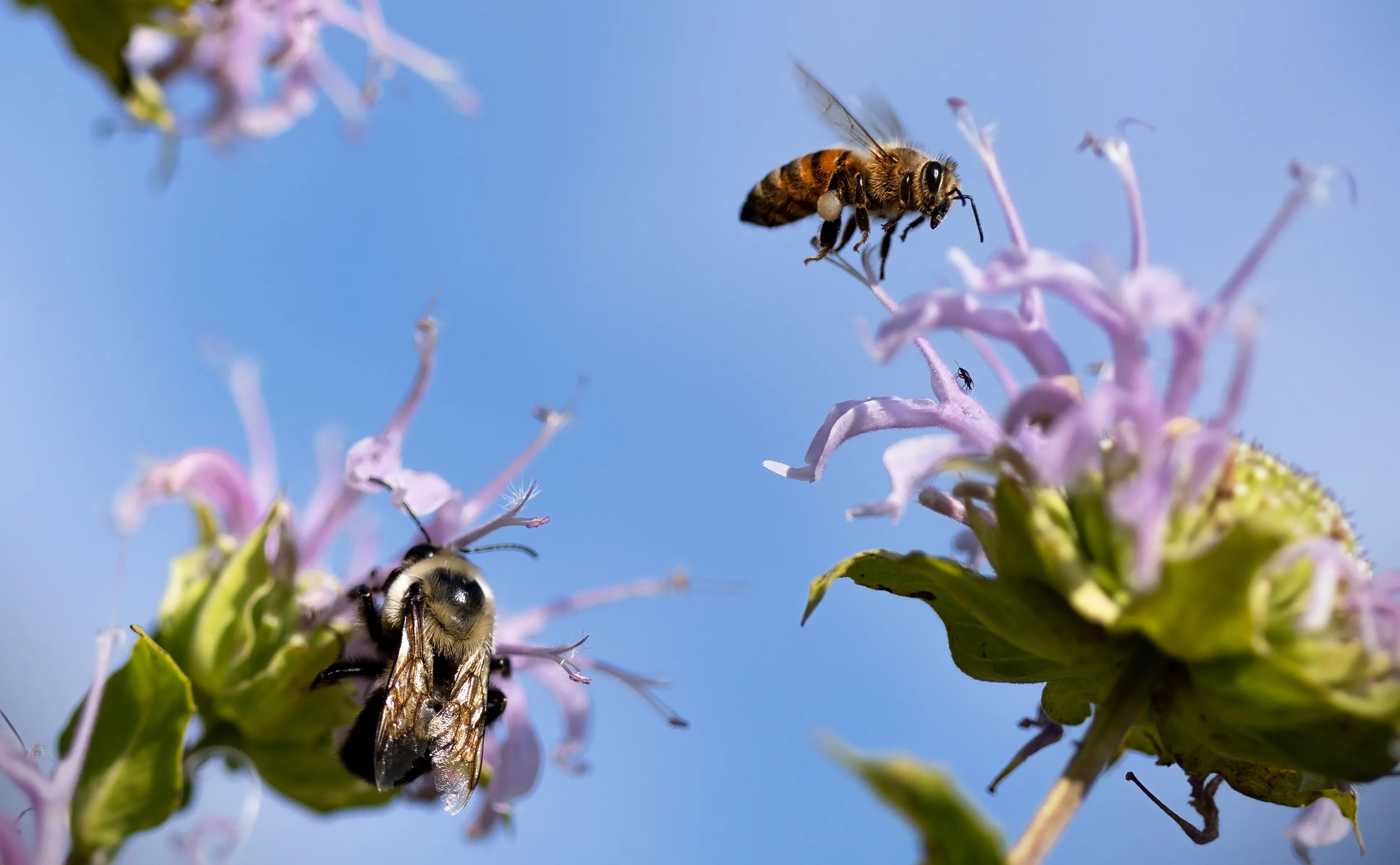
Bees are far more intelligent than they look. Studies have shown they can learn patterns, solve problems and remember routes between flowers. Some bees even communicate using the famous ‘’waggle dance’’ ,sharing directions to food sources with others.
This means pollination is not random—bees are actively making decisions, optimizing their routes and becoming more efficient over time. As the most numerous and efficient pollinators, they sustain both our food systems and natural environments around us. Nearly one-third of the food we eat depends on their work, as they pollinate crops that feed millions of people. Beyond farms, bees are essential to the survival of wild plants, enabling them to produce the berries, fruits and seeds. Bee species also vary widely in behaviour. Many are generalists, moving freely between different type of flowers, while others are specialists, relying on specific plants in highly fragile relationships.
Pollinators That Cheat the System
Some of the most common nectar robbers are actually familiar pollinators that simply switch strategies depending on the flower. Bumblebees are among the most well-known offenders, biting holes at the base of tubular flowers like fuchsia or hibiscus to steal nectar without entering the flower properly.
Similarly, carpenter bees use their strong mandibles to drill through flower walls, bypassing the reproductive structures entirely. In many ecosystems, ants also act as opportunistic robbers, slipping into flowers or exploiting holes made by other animals to feed on nectar without ever touching pollen.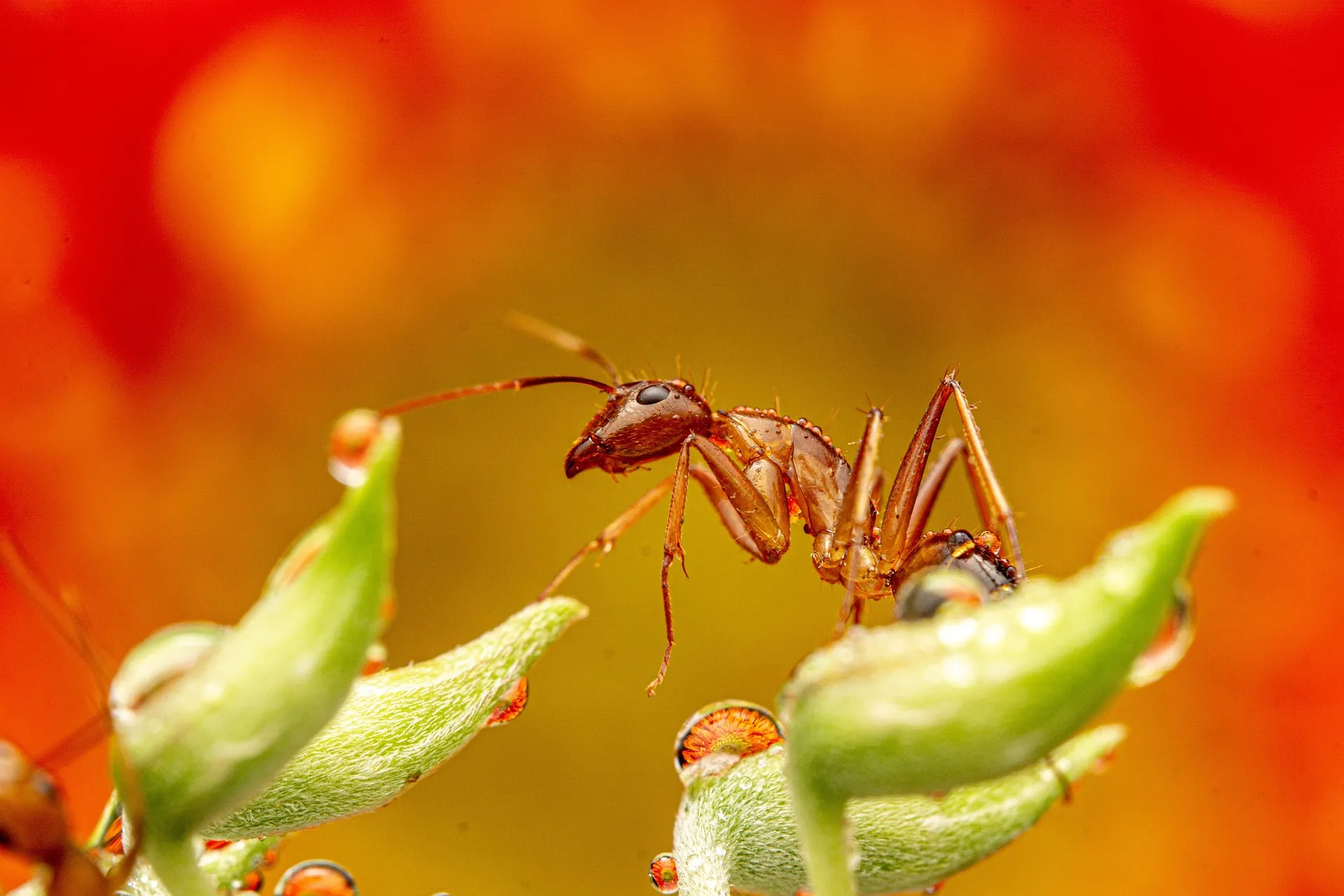
Precision vs Chaos in the World of Pollination
Pollination isn’t a single, uniform process. It can be well calculated or quite disorganised. “Clean” pollinators like bees are highly efficient. They are built to collect pollen carefully using specialized body hairs and structures and they tend to visit the same type of flower repeatedly. This consistency means pollen is transferred accurately between compatible plants, making bees extremely reliable for both wild ecosystems and agriculture.
In contrast, “messy” pollinators such as bats, some birds, beetles and moths interact with flowers in a far less controlled way. As they feed, pollen sticks randomly to their bodies and is carried off unpredictably.
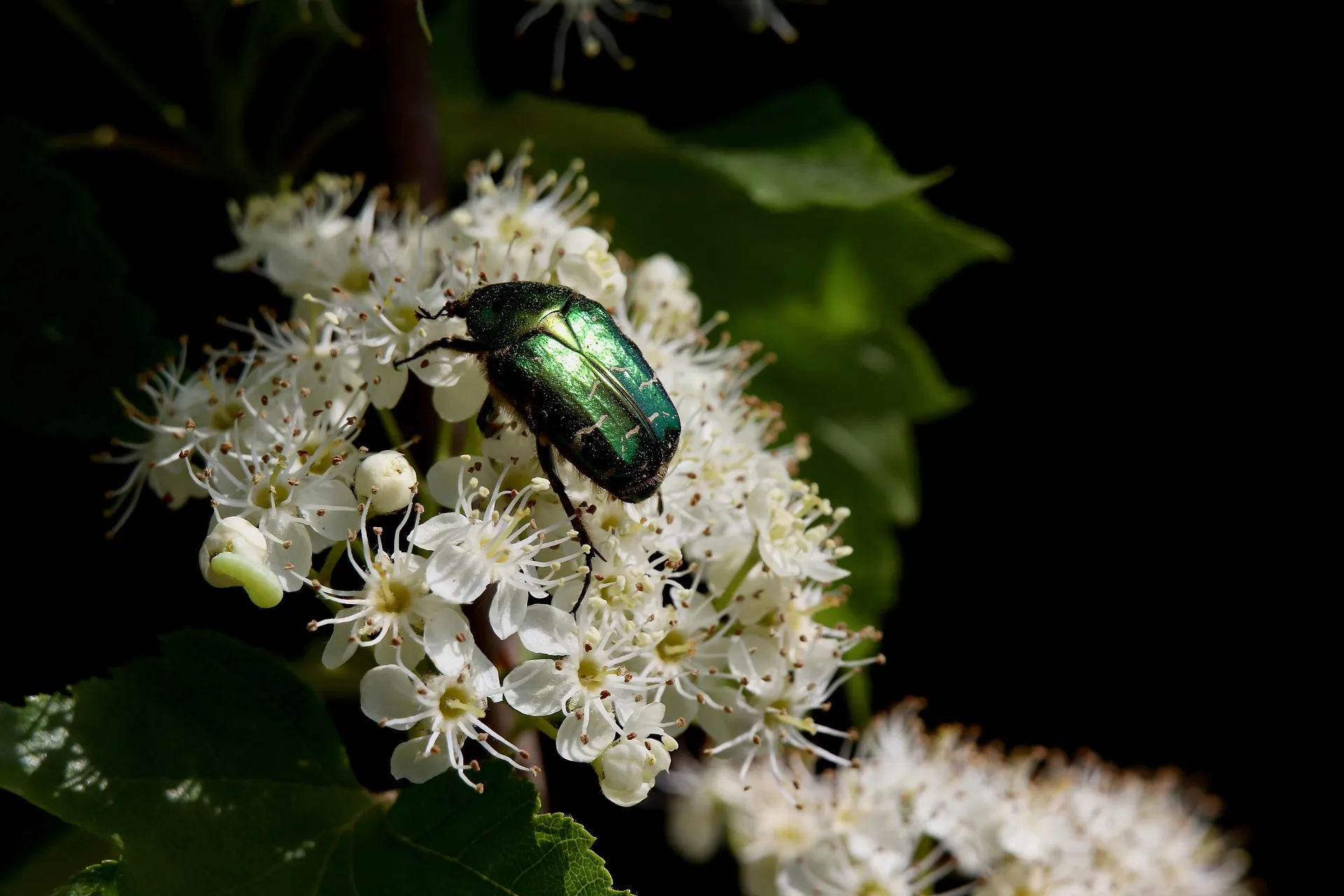
While this may seem inefficient, it actually allows pollen to travel much farther distances than bees usually manage. This wide dispersal is powerful. It increases genetic diversity in plant populations by mixing genes across distant groups, helping plants become more resilient to disease and environmental change.
Pollinators in Kenya: A Quiet Crisis
Across Kenya, from coffee farms to avocado orchards, much of what we grow depends on pollinators. Approximately 4% of all plants in Kenya are pollinated by the Hawk moths. So before you go swatting them at night, think of that sweet mango first.
Unfortunately, their survival is beginning to be threatened. Rapid urban growth is shrinking natural habitats, while pesticide use continues to harm vital species. Climate change is also disrupting flowering patterns, making it harder for pollinators to do their job.
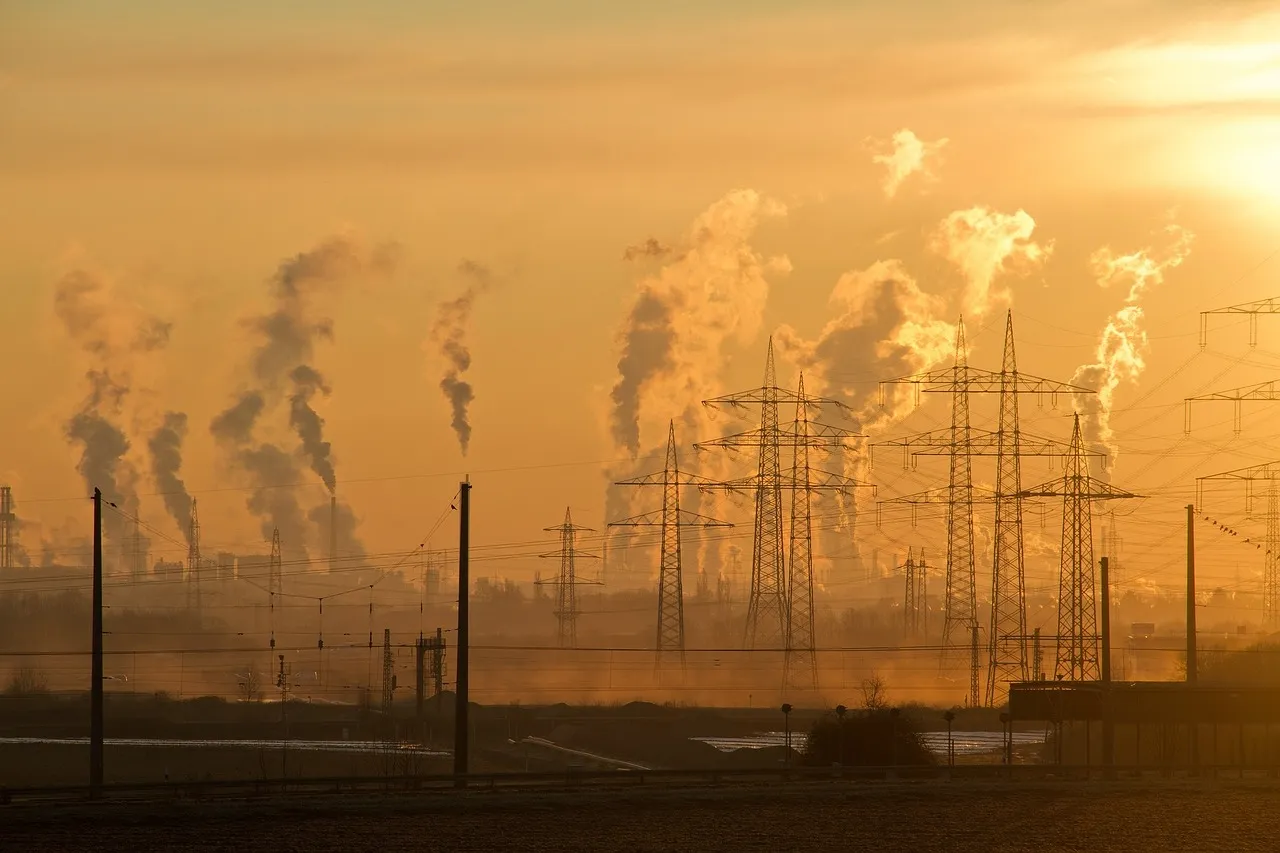
If these trends continue, the impact won’t just be environmental—it will affect food security, livelihoods and the stability of entire ecosystems. Protecting pollinators isn’t just conservation, it’s a necessity for Kenya’s future.
Why Pollinators Matter to Everyday Life
Somewhere between 75% and 95% of all flowering plants on the earth need pollinators. Pollinators provide pollination services to over 180,000 different plant species and more than 1200 crops. That means that 1 out of every three bites of food you eat is there because of pollinators. In addition to the food that we eat, pollinators support healthy ecosystems that clean the air, stabilize soils, protect from severe weather and support other wildlife.
Over 80% of all wild flowering plant species depend on animals—mainly insects—for pollination. In tropical ecosystems, this dependence is especially strong, with bees, flies, beetles and butterflies driving the reproduction of most trees and flowering plants, helping sustain some of the richest biodiversity on Earth.
The Silent Question of Survival
Pollinators are not just part of nature but a thread that keeps it from falling apart. Every flight, every brush of a wing, every dusting of pollen is a reminder that life is connected in ways we often overlook. Perhaps the real question is not what pollinators do for us but rather, what becomes of us if they disappear?
Food for thought.
Sources
·
United Nations Environment Program (UNEP).
(n.d.). Why bees are essential to people and the planet. https://www.unep.org/news-and-stories/story/why-bees-are-essential-people-and-planet
·
Royal Botanic Gardens, Kew. (n.d.). Kew
Science resources on plants and pollination. https://www.kew.org/
·
National Geographic Society. (n.d.). Why
pollinators matter to the planet. https://www.nationalgeographic.com/environment/article/pollinators/
·
https://www.nwf.org/Educational-Resources/Wildlife-Guide/Pollinators
·
Biesmeijer, J. C., et al. (2006). Parallel
declines in pollinators and insect-pollinated plants in Britain and the
Netherlands. https://besjournals.onlinelibrary.wiley.com/doi/10.1111/1365-2435.12810
· Gardenology Kenya. (n.d.). Pollinators of Kenya. https://www.gardenology.co.ke/pollinatorsofkenya/
Comments (1)
Log in to join the discussion.
Log in
I like this