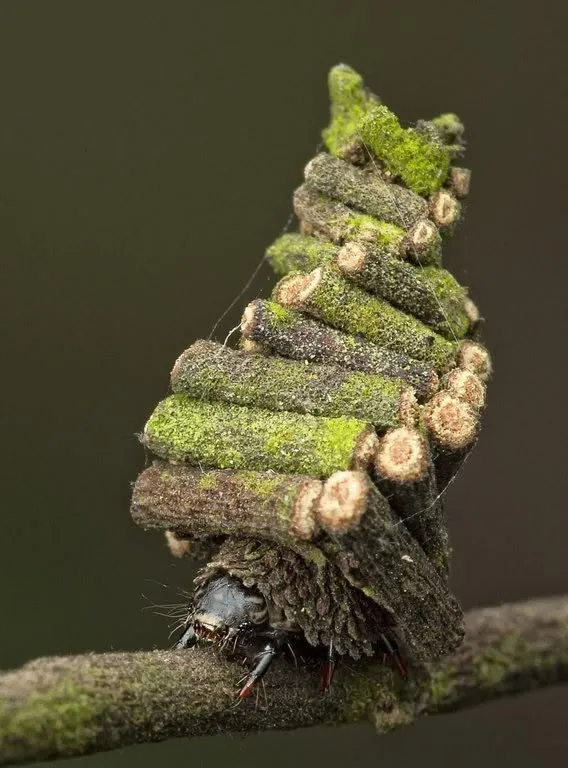
The Caterpillar That Built a Log Cabin(And Lugged it Everywhere)
By Johnson Owino · May 12, 2026
- (Pagoda bagworm caterpillar (Family: Psychidae, such as Clania crameri or a closely related species.) Predominantly native to South Asia (such as India) and parts of Southeast Asia.)
You've heard of tiny homes, right? Well, meet the original tiny home architect: the bagworm caterpillar.
This little creature doesn't just eat leaves and turn into a
moth. Oh no. It builds itself a portable log cabin — made of tiny twigs, leaf
bits, and silk — and lugs that house everywhere it goes. Yes, everywhere.
Eating? House on back. Napping? Still on back. Running from a bird? You guessed
it — house and all.
It's basically a hermit crab, but with carpentry skills. 🪵
Who exactly is this weirdo?
The bagworm is the larval stage of a moth (family Psychidae). From the moment it hatches, it starts collecting twigs and plant material, gluing them together with silk it produces from its own mouth. The result? A cozy, cone-shaped "bag" that looks exactly like a tiny log cabin.
As the caterpillar grows, it adds more twigs to make the
house bigger. The whole thing is camouflage
genius, birds look right at it and see nothing but a random pile of
debris.
And here's the kicker: only the front end sticks out to eat.
The rest stays safely hidden inside. When it's time to pupate, it seals the bag
shut and transforms into a moth right there in its own little bedroom.
But here's where it gets even
more interesting: the male and female bagworms look completely different as
adults. The male grows wings and flies off to find a mate — he's fuzzy, dark,
and has clear wings. The female, on the other hand, never leaves her log cabin.
She stays inside her bag for her entire life, wingless and grub-like. She just
waits for a male to find her.
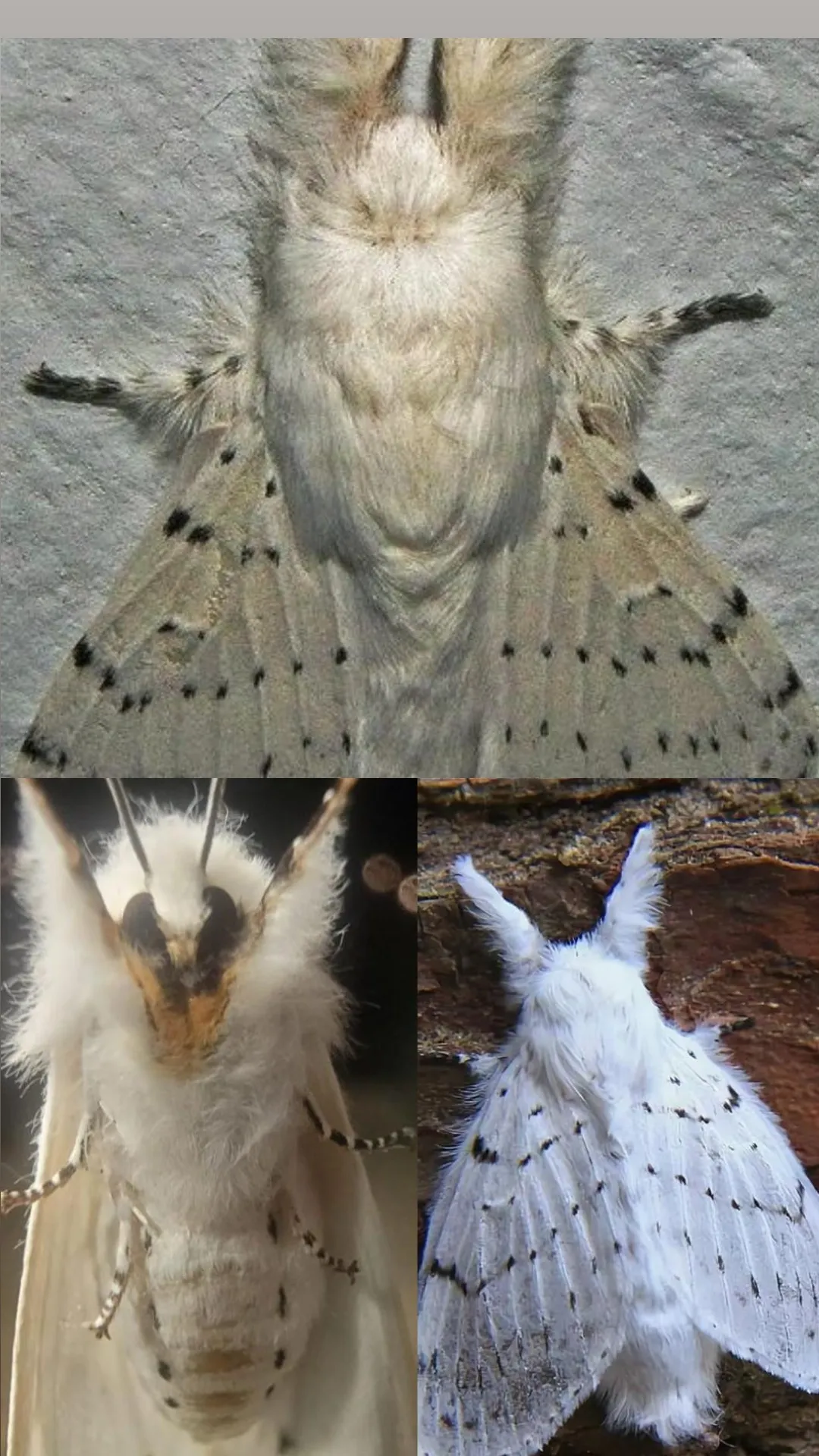
( A three-panel composite image highlighting the striking features of an adult moth.)
The Environmental Side
Now, you might wonder what’s the environmental essence of such
a creature?. And it's fascinating — because the bagworm is both a helper and a
potential troublemaker.
The Good:
Bagworms are nature's recyclers. By eating leaves, lichens,
and dead plant material, they break things down and return nutrients to the
soil. Their little log cabins are built from dead twigs — so they're literally
reusing what would otherwise just rot on the ground. In small numbers, they're
a healthy part of the forest cleanup crew.
The Tricky Part:
If there are too many bagworms, they can strip entire trees
bare — especially evergreens like cypress and pine. A tree that loses all its
leaves (or needles) can weaken or even die. So in gardens and farms, people
sometimes call them pests.
But here's the thing Environmentalists: an "outbreak" is usually a sign that something else is out of balance, maybe the birds that eat bagworms have disappeared, or the tree is already stressed. THE BAGWORM ISN’T EVIL, IT’S JUST DOING WHAT IT DOES. Too much of any good thing becomes a problem.
So,What's the Takeaway?
The bagworm caterpillar is a tiny architect, a recycling champion, and a reminder that even the smallest creature plays a role in the bigger story. It builds, eats, transforms, and becomes food for birds — all while carrying its entire house on its back.
And honestly? That's kind of amazing.
Next time you see a little pile of twigs moving on its own
in the garden, don't squish it. Just crouch down, say "nice cabin, little
dude," and let it go about its weird, wonderful day.
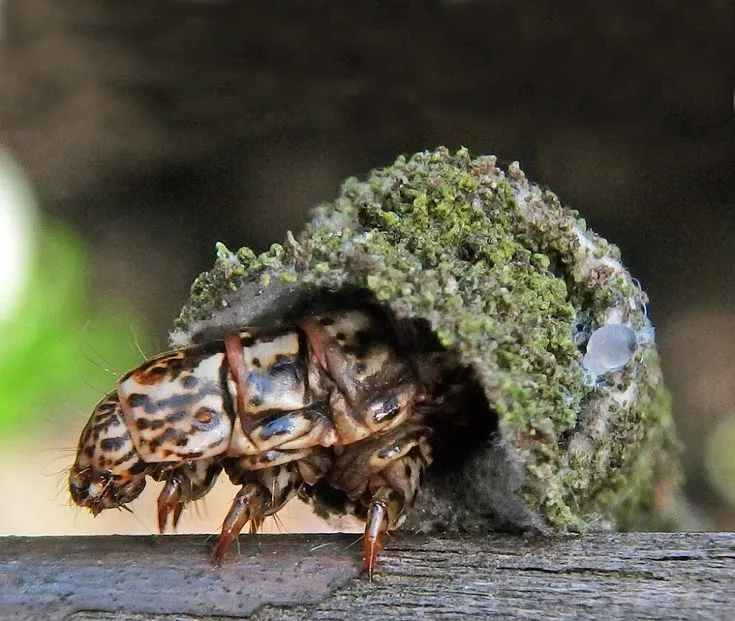
(Bagworm moth caterpillar. Found worldwide,cosmopolitan distribution).
Have you ever seen a bagworm and thought it was just a random clump of debris? I know I did. Nature never stops surprising us. 🐛🏡
Comments (1)
Log in to join the discussion.
Log in
I wish i had a portable house🙄
😂 Me to