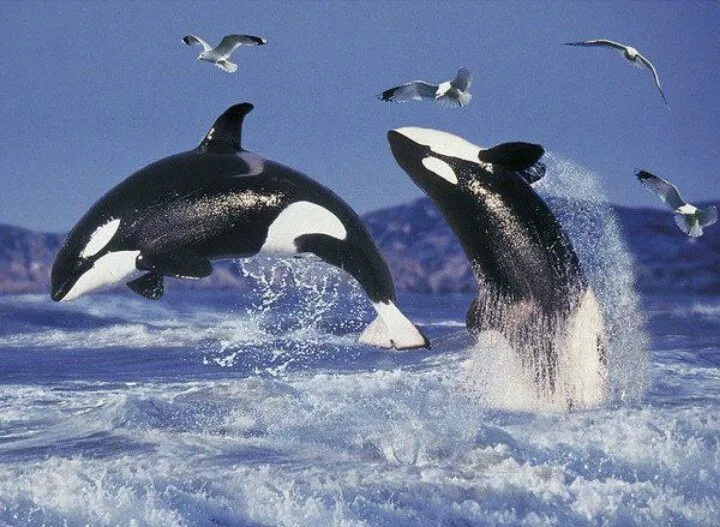
The Algorithm That Listens for Orcas 🐋
By Johnson Owino · June 9, 2026
(British Colombia,san huan islands. Captured in prime killer whale habitats like the pacific)
You probably think of artificial intelligence as something that writes emails or recommends videos. But off the coast of Washington State, AI is doing something far more urgent: it's listening for the faint calls of endangered orcas and telling giant ships to slow down before it's too late.
The noise we never hear (but orcas can't escape) 🔇
The Southern Resident killer whales live in the Salish Sea,
a busy waterway between the US and Canada. They
hunt Chinook salmon using echolocation — basically shouting and waiting for the
echo to bounce back. But the roar of ship engines, propellers, and underwater
construction drowns out their calls. When they can't hear their prey, they
don't eat. And when they don't eat, they starve.
We can't fix that with a protest sign alone. We need ears under the water.
How AI became the ocean's ears 🎧
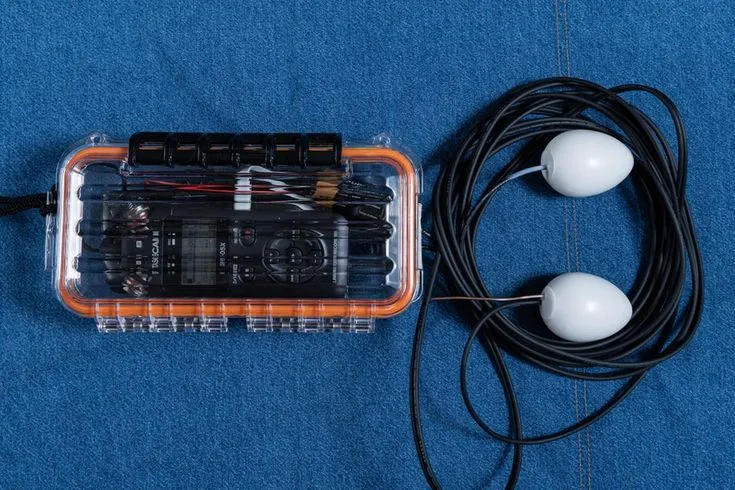
(Hydrophone drop rigs)
OrcaHello is a machine‑learning system that listens to underwater microphones 24/7. It can tell the difference between a cargo ship, a fishing boat, and a Southern Resident orca call . When it hears a whale, it sends an alert to a dashboard that vessel operators can see. No more accidental speeding through a feeding zone.
Another system, called Whale‑E, uses thermal cameras where water passage becomes tight–like a bottle neck called Puget Sound. Even in fog or darkness,
the AI spots the warm blur of a whale surfacing and warns nearby ships. It
works day and night, rain or shine.
Why their calls tell us more than we realised 🗣️
Orcas speak in dialects. Different pods have different
"accents". Using a tool called orcAI, researchers can classify those
calls with over 98% accuracy. They can tell which pod is where without ever
seeing them. They can also pick up stress calls — the orca version of raising
an alarm.
With real‑time acoustic alerts, vessel operators can be notified and
asked to change course. This technology is already operational.
Reading orca health one photo at a time 📷
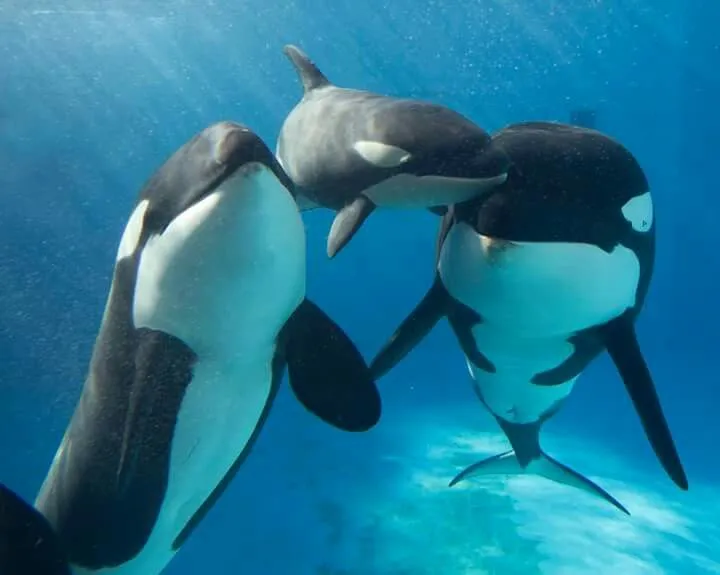
(Coastal waters with high underwater clarity, specific pelagic marine sanctuaries. )
By linking thousands of identification photos to health
records, scientists discovered a heartbreaking pattern: the calves that get
higher doses of industrial pollutants (PCBs) from their mother's milk are far
more likely to die before age three. AI helped spot that link by sifting
through data that no human could handle alone.
Now conservationists know which matrilines need extra
monitoring. They also know where to focus clean‑up efforts in the water.
From data action:slowing ships, saving lives.
The HALLO Project fuses acoustic detections, thermal camera
spots, and live vessel tracking data into a single prediction map. It doesn't
just say "whale here". It says "whale likely to be here in 15
minutes" and suggests a speed reduction or a small detour.
These aren't mandatory rules yet. But they're becoming voluntary guidelines that many shipping companies are starting to follow. Every slowed‑down ship means a quieter, safer hunting ground for a family of orcas that can barely afford to miss another meal.
Should these alerts trigger mandatory slowdowns, or is voluntary enough? That's the question conservationists are asking right now.
What this means for other endangered species 🌊
The same technology is already being adapted for North Atlantic right whales , for rice's whales in the Gulf of Mexico, and even for vaquitas — the smallest, most endangered porpoise on earth(fewer than 20 left).
If you can train an AI to recognise a ship's propeller noise versus a whale's echolocation click, you can protect almost anything that swims, flies, or walks near human infrastructure.
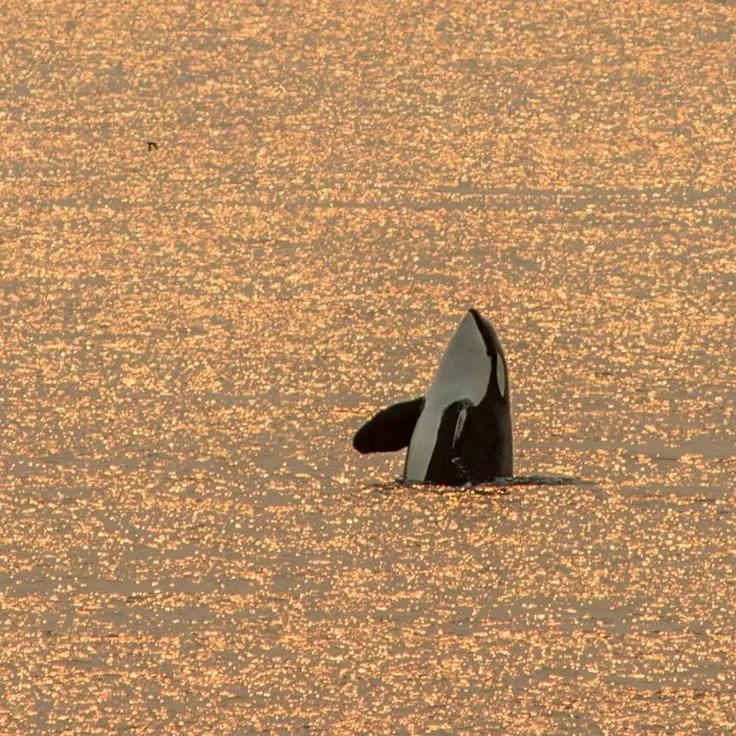
(An Orca spyhopping at sunset with a single bird overhead.Calm inlets and straits,Johnstone Strait,British Colombia)
So the next time someone talks about AI, tell them about the
algorithm that listened to a starving whale, learned its voice, and helped the
world quiet down for a minute.
For the Southern Resident orcas, that minute could mean
everything.
Comments (0)
Log in to join the discussion.
Log in