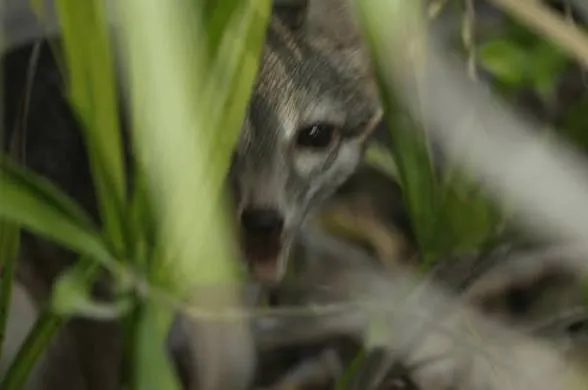
Cozumel's Hidden Canid
By Johnson Owino · August 8, 2026
On September 14, 2023, a small, fox-like animal was spotted
wandering along a coastal highway on Cozumel Island. It was an adult male,
roughly the size of a small house cat, with large ears and soft grey fur. The
local Parks and Museums Foundation quickly rescued it and performed a full
health check. Three days later, it was released into a protected reserve. This
was the first confirmed sighting of the Cozumel dwarf fox in over 20 years. It
was also the first time the species had ever been photographed. Many believed
it was already extinct.
The Cozumel dwarf fox is one of the most mysterious canids on Earth. It is a classic example of insular dwarfism, a phenomenon where animals isolated on islands evolve to become smaller over time. This fox is only 60 to 80 percent the size of its mainland relative, the grey fox. It has a long tail, large erect ears, and soft fur that ranges from grey to gold to white.
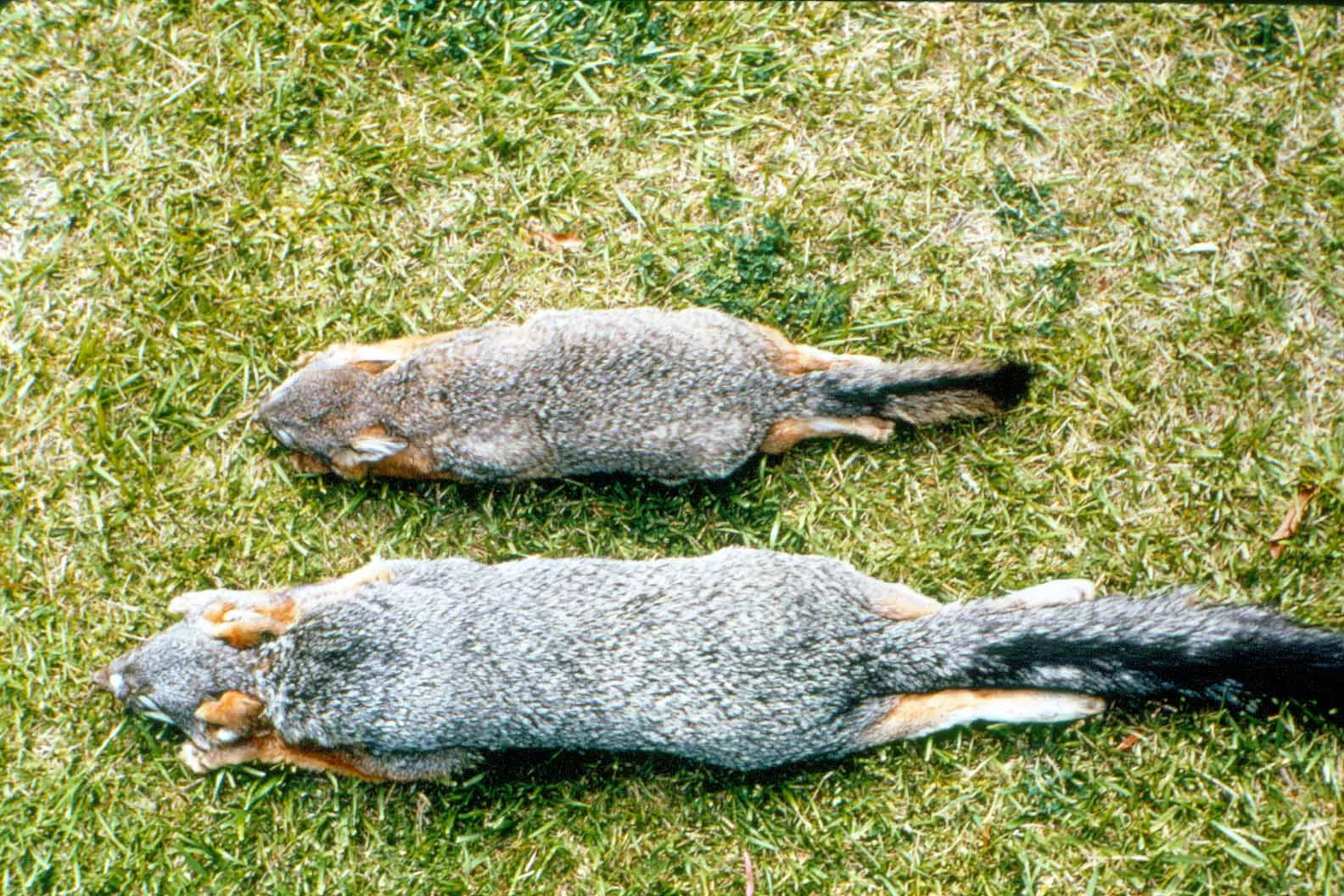
(Comparative museum specimen study showing a dwarf
island fox skin (top) positioned beside a full-sized mainland gray fox skin
(bottom) to demonstrate insular dwarfism: Comparative museum study photography.)
It is believed to
have lived on Cozumel for at least 5,000 to 13,000 years, isolated from the
mainland and evolving in complete secrecy. Yet despite its long presence, the
species has never been formally described or given a scientific name. It is
provisionally known as Urocyon sp., existing in what conservationists call a
“protection vacuum.” Without formal recognition, it has no legal protection,
and its future remains uncertain.
For decades, the fox was rarely seen and by early
2000s, sightings had ceased entirely. Scientists feared it had
been wiped out. The reasons were familiar: habitat loss from tourism
development, deforestation, and human expansion. Predation by feral dogs and
cats, roadkill on coastal highways, and the threat of hurricanes on a low-lying
island all pushed the fox to the edge. Its population size and distribution
were never properly studied,no systematic survey had ever been conducted.
Without data, conservationists could not act and without sightings, there was
nothing to protect.
The 2023 sighting changed everything.
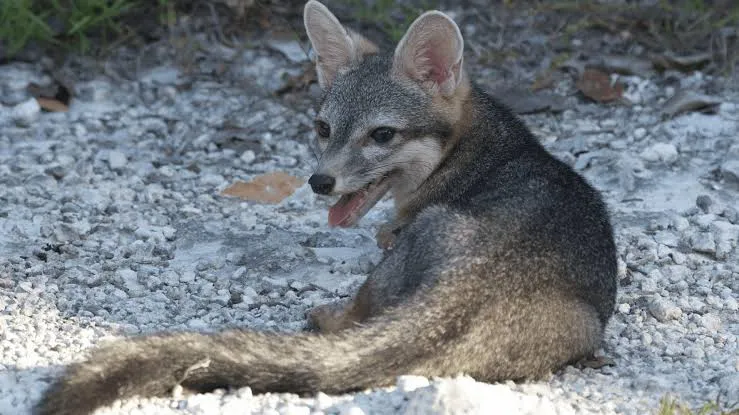
(Cozumel dwarf fox photographed by Rafael Chacón:Smithsonian
magazine)
The rescued male was the first living proof that the species
still existed. After its release, conservation groups began planning the
largest camera trap survey ever conducted on the island. Between March and
April 2026, researchers deployed 84 trail cameras across the southern half of
Cozumel to finally determine how many foxes remain and where they live. It
is not just about counting foxes,the survey is the first real step toward understanding a species that has remained
hidden for so long. It is about understanding what they need to survive, where
they go, and what threatens them.
Conservation groups like Pathos Wildlife have emphasized
that the biggest challenge is that we know almost nothing about them. Filling
that knowledge gap is the top priority. The camera trap survey is the beginning
of that work.
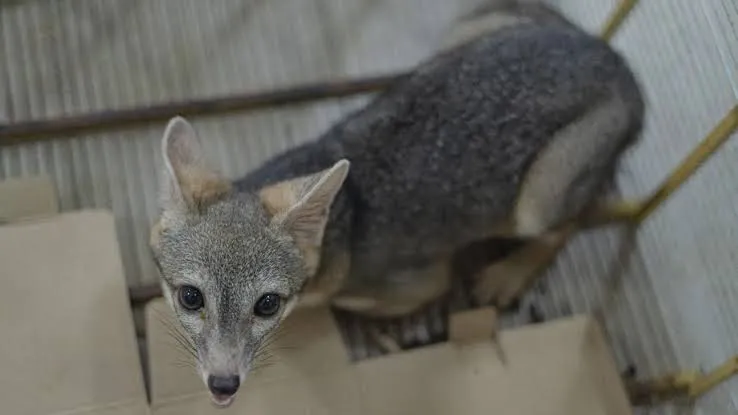
(The rescued male fox looking
inside a transport crate during a health evaluation:Published in
Neotropical Biology and Conservation (Bayer et al., 2026).
The Cozumel dwarf fox is one of three dwarf carnivores on
the island, alongside the pygmy raccoon and the dwarf coati. Together, they
represent a unique evolutionary story that exists nowhere else on Earth. Losing
the fox would be losing a chapter of
natural history.
The Cozumel dwarf fox is still critically
endangered ,poorly understood ,still faces the same threats:
roads, predators, habitat loss, and a changing climate. But for the first time
in years, there is a plan. There is data being collected. Its story is just unfolding
but the fact that it was found at all is a reminder that sometimes species are
still out there, waiting to be noticed again.
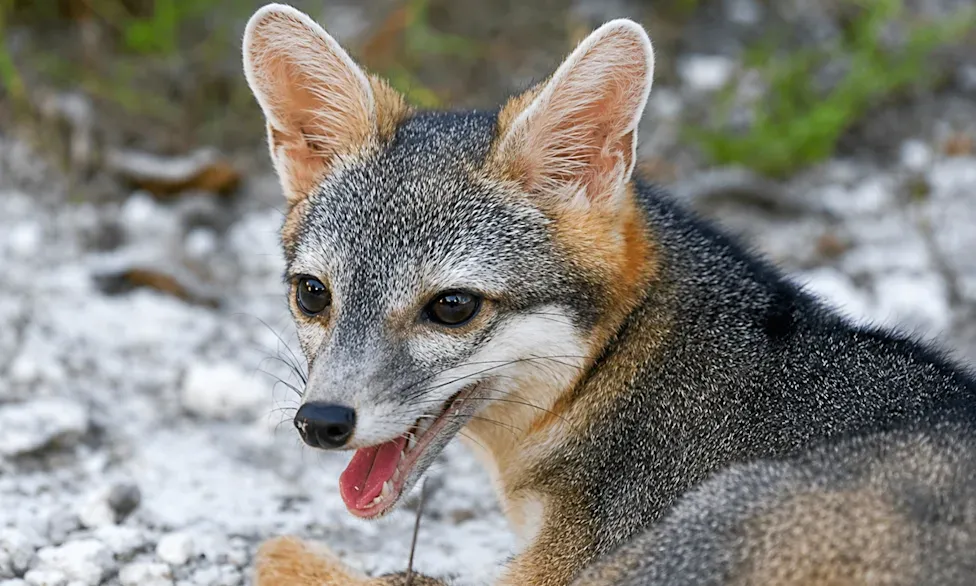
(Cozumel dwarf fox resting on pale ground upon release in
the Laguna Colombia State Reserve: Published in Neotropical Biology and
Conservation (Bayer et al., 2026).
If the fox had never been found on that highway, would we
have simply assumed it was extinct and moved on? 🦊
Comments (0)
Log in to join the discussion.
Log in