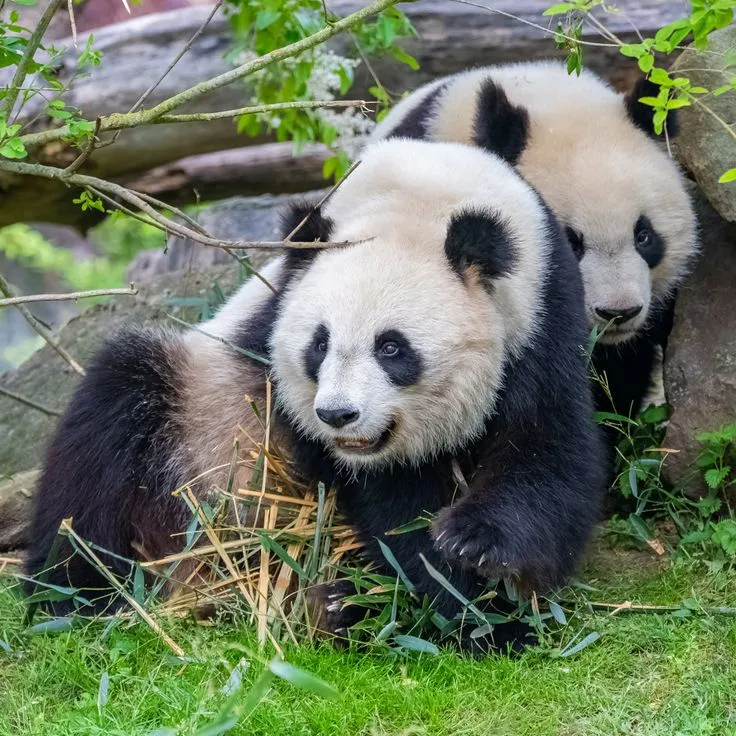
Comeback of the Century: How Pandas Clawed Their Way Back from the Brink 🐼
By Johnson Owino · June 16, 2026
(photo by Pascale on Getty images)
For decades, the giant panda was the global face of
extinction — a fluffy, black‑and‑white poster child for everything we were
about to lose. But somewhere between the bamboo forests
of Sichuan and the breeding centres of China, something incredible
happened.
The panda didn’t just survive. It thrived.
From 1,100 to 1,900: The numbers that changed everything
In the 1980s, the wild panda population sat at roughly 1,100
individuals. Habitat loss, poaching, and low reproductive rates had pushed them
to the edge. Today, that number has climbed to nearly 1,900 — a rebound so
significant that in 2016, the International Union for Conservation of Nature
(IUCN) officially downgraded the panda from Endangered to Vulnerable.
And it gets better. The captive panda population has nearly
doubled in a decade, soaring from 422 in 2016 to 808 by the end of 2025.
That’s a comeback story for the ages.
How did they pull it off?
The short answer: China went all in.

(Giant Panda National Park
Mountain landscape forest Sichuan Shaanxi Gansu)
The Giant Panda National Park was officially established in
2021, spanning 22,000 square kilometres across Sichuan, Shaanxi, and Gansu
provinces. It integrated 73 existing nature reserves and reconnected 13
isolated habitat patches, creating a unified, contiguous protected area. The
protected panda habitat area ballooned from 1.39 million hectares to 2.58
million hectares — almost double the original size.
But the real game-changer was ecological corridors.
These are bamboo highways that allow pandas to move between
fragmented habitats, reconnect with isolated populations, and mate with pandas
from other mountain ranges — reducing the risk of inbreeding. Since 2023, over
20 agencies across the three provinces have conducted cross‑regional patrols to
monitor and protect these lifelines.
The umbrella that protects everything else
Pandas are what ecologists call a flagship species —
charismatic animals that capture public attention and funding. But they’re also
an umbrella species. The forests, bamboo groves, and water sources protected
for pandas also shelter over 8,000 other rare species, including golden
monkeys, snow leopards, and takins. Protect the panda’s home, and you’ve just
built a sanctuary for an entire ecosystem.
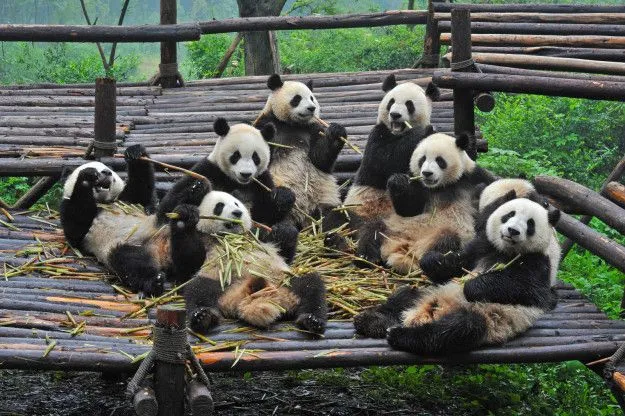
(Giant pandas eating fresh
bamboo,view from the communal feeding areas at Chengdu Research Base of Giant
Panda breeding)
Vulnerable is not safe
Let’s be real: The panda’s recovery is fragile. Habitat
fragmentation remains a serious threat, with 24 out of 33 local panda
populations still at risk of isolation and inbreeding. Climate change could
also shrink the bamboo forests they depend on. As one expert put it, “if protection efforts slacken, hard‑won gains could be reversed.”
The panda is no longer on the
brink of extinction — but it hasn’t fully stepped back from the edge either.
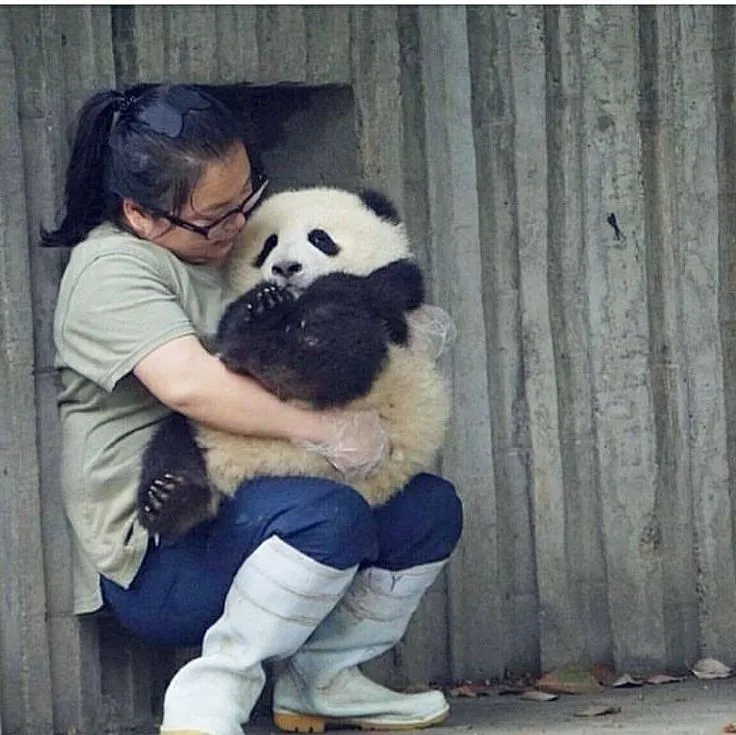
(Full time hands‐on panda care.Hugging them and keeping them active since captivity doesn’t give them the same stimulation as the wild.Engdu Research Base of Giant Panda Breeding in Sichuan, China.)
You don’t need to be a scientist to help pandas. Support
organisations like WWF that work on habitat protection. Stay informed about
conservation issues. Spread the word — the more people care, the more pressure
there is to keep protecting these animals. And next time you see a panda video
online, remember: that fluffball represents one of the greatest conservation
success stories in history.
🐼
Have you ever seen a panda in real life — or is it still on
your bucket list?
Do you think they’re actually that clumsy, or is the bamboo
just a convenient excuse? 😄
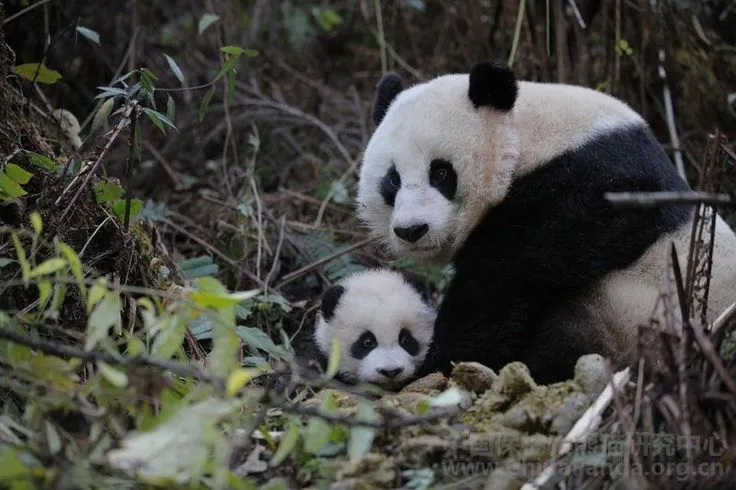
(This close-up photo shows a mother giant panda sitting next to her very small cub safely on the forest floor. China Conservation and Research Center for the Giant Panda (CCRCGP).
The panda’s journey from Endangered to Vulnerable proves when we decide to save a species, we can. The commitment,
the funding, the science, the patience — it all paid off. But the work isn’t
finished. And as long as pandas need bamboo, forests, and safe corridors to
roam, the work never really ends.
Comments (0)
Log in to join the discussion.
Log in